Family-Friendly Trekking in Nepal: Safe Routes for Kids and Seniors
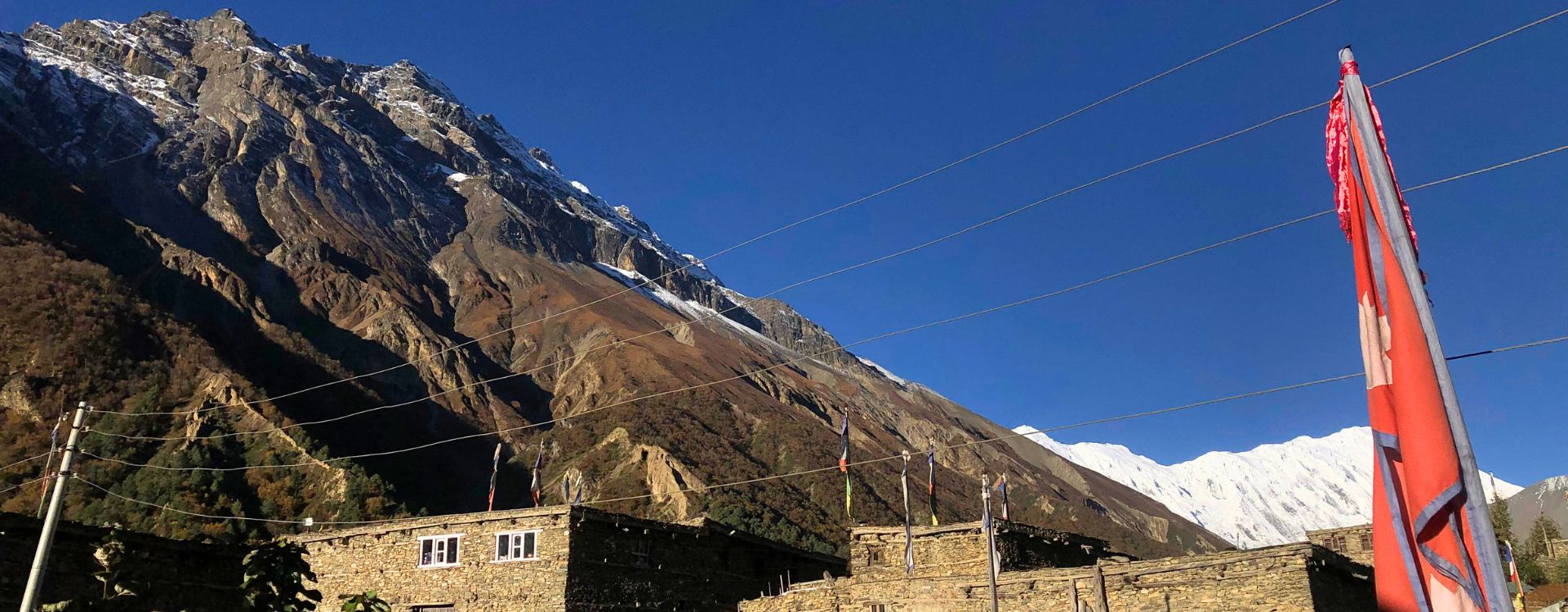
The tiny landlocked nation of Nepal has long been a magnet for adventurers to experience the magic of the Himalayas. With its blend of gentle trails, welcoming villages, and breathtaking panoramas, trekking in Nepal creates bonds that last a lifetime. Parents introduce children to rhododendron forests and yak herds, while grandparents find joy in slow-paced walks past monasteries and terraced fields. Each year, thousands of families choose Nepal for trekking experiences designed around safety, accessibility, and cultural immersion.
Most routes frequented by families are at lower altitudes. This reduces health risks and allows novices, children, and the elderly to move comfortably with proper pacing. Popular trails are lined with teahouse lodges that provide hot meals, clean beds, and welcoming communal spaces, making the journey feel more like a moving village stay than a rugged expedition. In recent years, Nepal has placed increased emphasis on licensed guides in several trekking regions, particularly for safety, navigation, and emergency preparedness. This guide explores the best family-suitable routes, drawing from traveler experiences and local expertise, to help you plan a trek that suits everyone, from toddlers to teens and seniors seeking light activity. Whether it’s a short loop or a culturally rich village stay, these journeys prioritize rest, connection, and wonder.
The Appeal of Family Trekking in Nepal: Benefits and Considerations
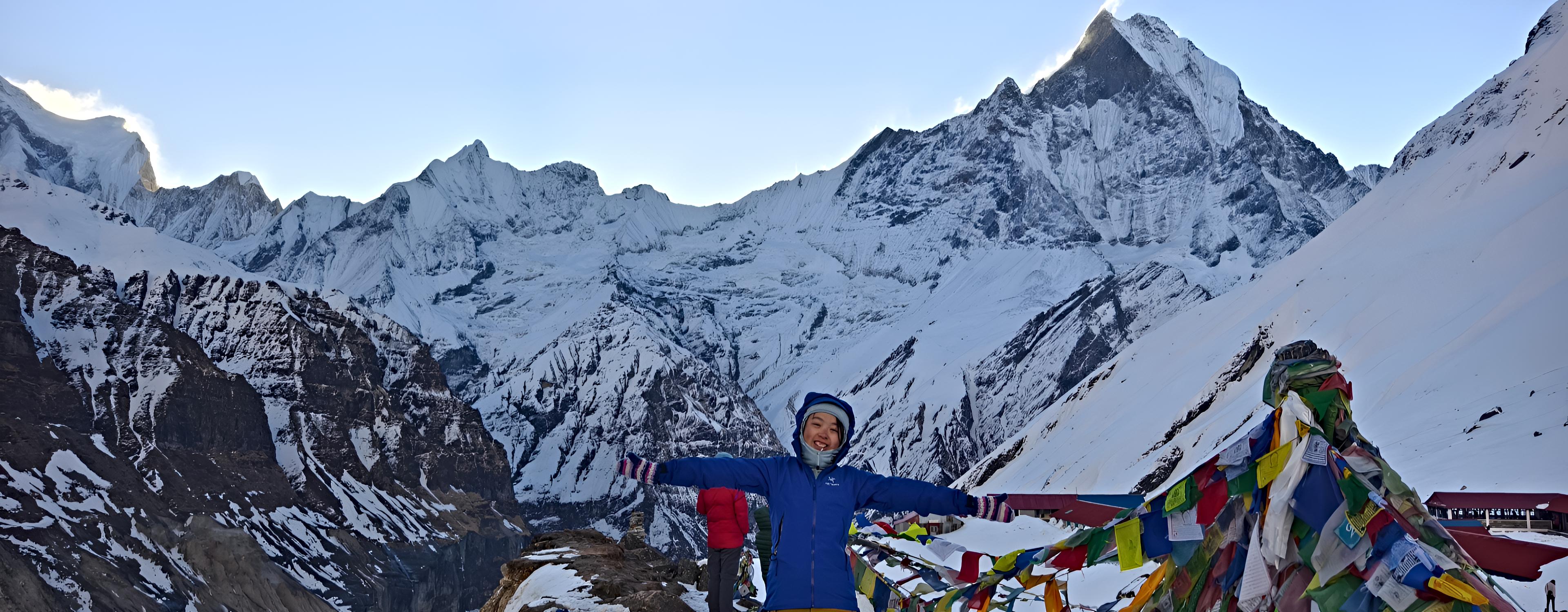
Trekking in Nepal stands out for how naturally it accommodates people of all ages. Unlike high-altitude expeditions, many family-friendly routes remain below 3,500 meters, where oxygen levels are more comfortable, and the likelihood of altitude-related issues is significantly lower. We've encountered children as young as four participating enthusiastically, with the right pacing, rest days, and, in some cases, pony rides or porter support for tougher sections. Seniors benefit from moderate terrain, frequent teahouses, and regular rest opportunities along the trail.
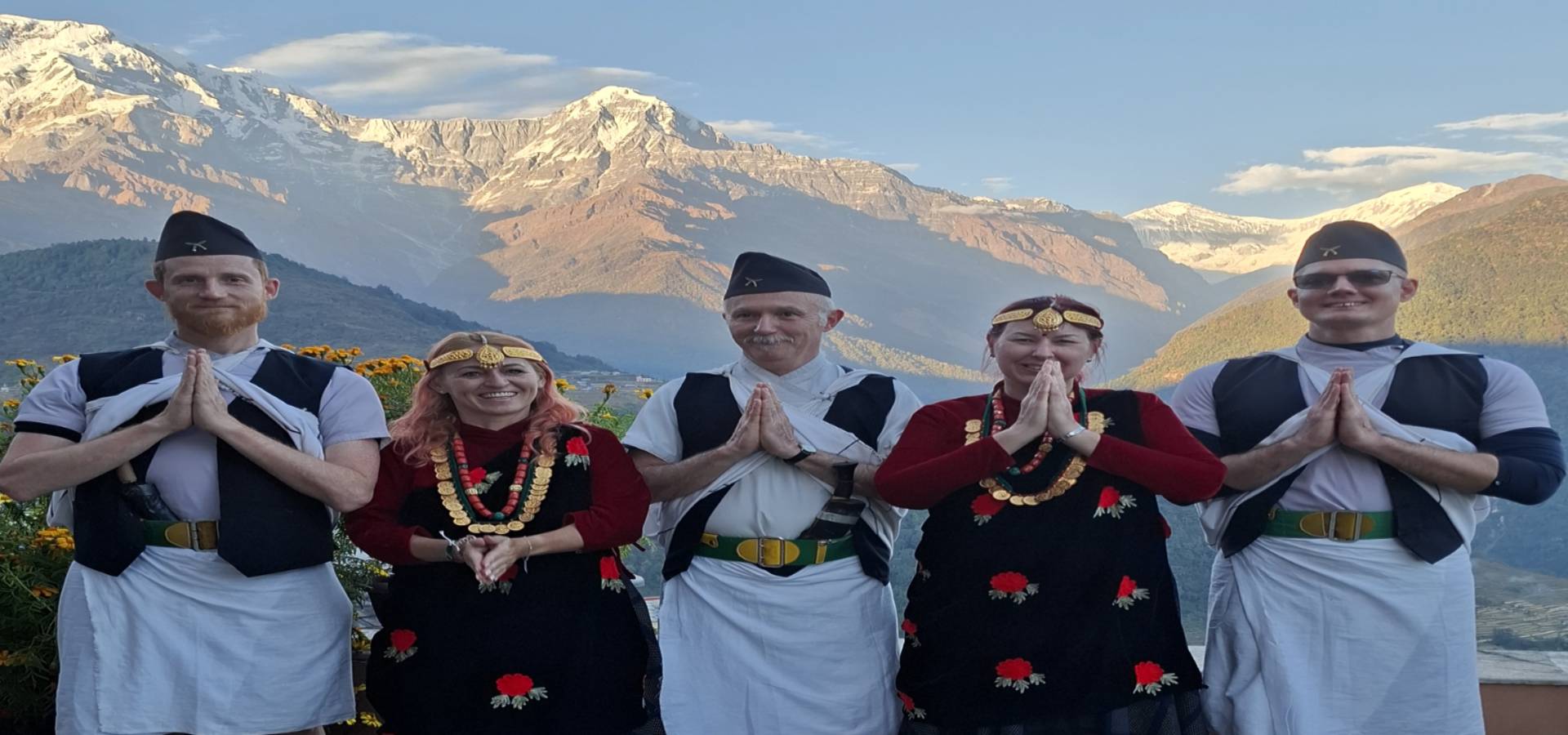
Cultural exposure is a major highlight. Encounters with Gurung, Tamang, and Sherpa communities allow children to experience traditional dances, observe daily village life, and even learn how butter tea or local dishes are prepared, an experience that fosters curiosity and global awareness.
Sustainability is increasingly central to trekking in 2025. Many agencies now promote eco-friendly practices such as reusable water bottles, reduced plastic use, and direct community support. Health-wise, gradual ascents remain essential, and while popular routes often have access to basic medical posts or evacuation networks, trekkers should still rely on preparation and insurance rather than infrastructure alone.
Costs typically range from USD 300 to 800 per person for 3–7 day treks, depending on group size, season, and comfort level. These prices usually cover guides, porters, permits, and teahouse accommodation, making Nepal relatively affordable for families sharing rooms. While variable weather and basic facilities require flexibility, many families find that shared sunrises and quiet evenings under star-filled skies more than compensate.
Optimal Seasons for Family Treks: Weather and Timing Insights
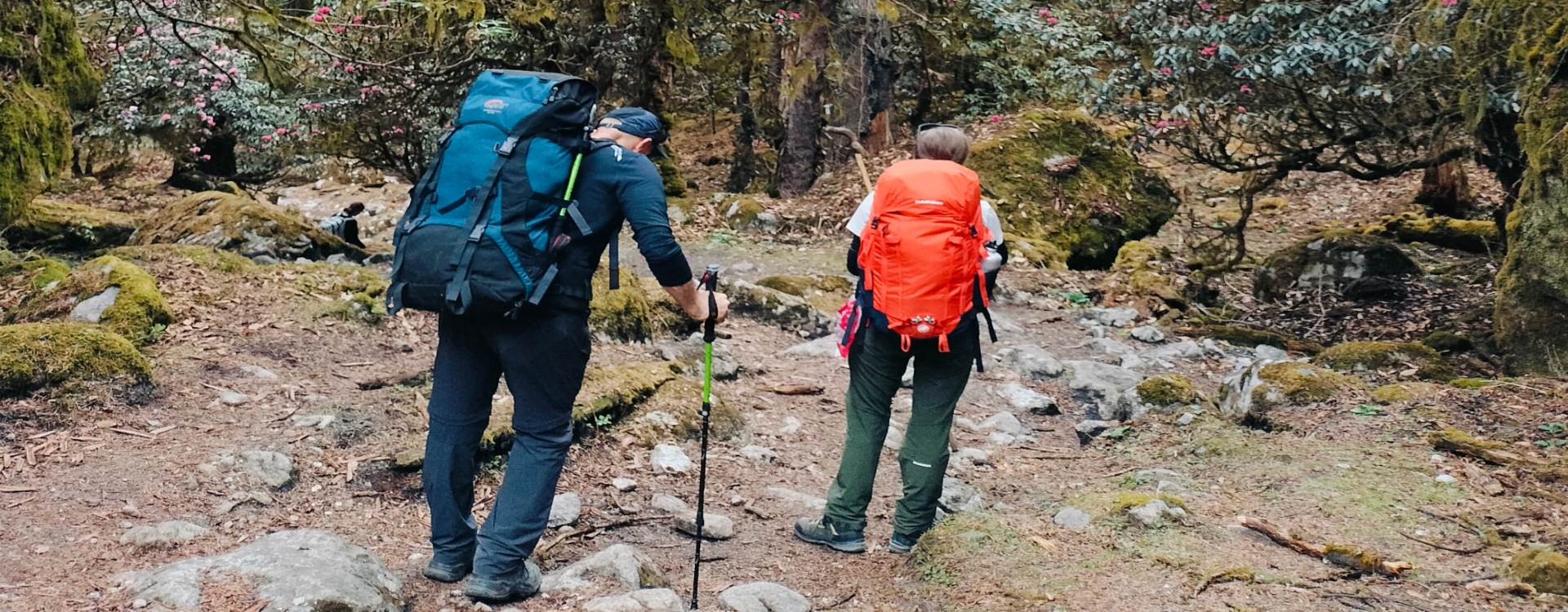
Choosing the right season can make a family trek far more enjoyable. Spring (March to May) offers mild daytime temperatures averaging 15–25°C at lower elevations. Forests burst into color with blooming rhododendrons, trails remain dry, and wildlife sightings add excitement for children. April, in particular, often delivers excellent mountain visibility.
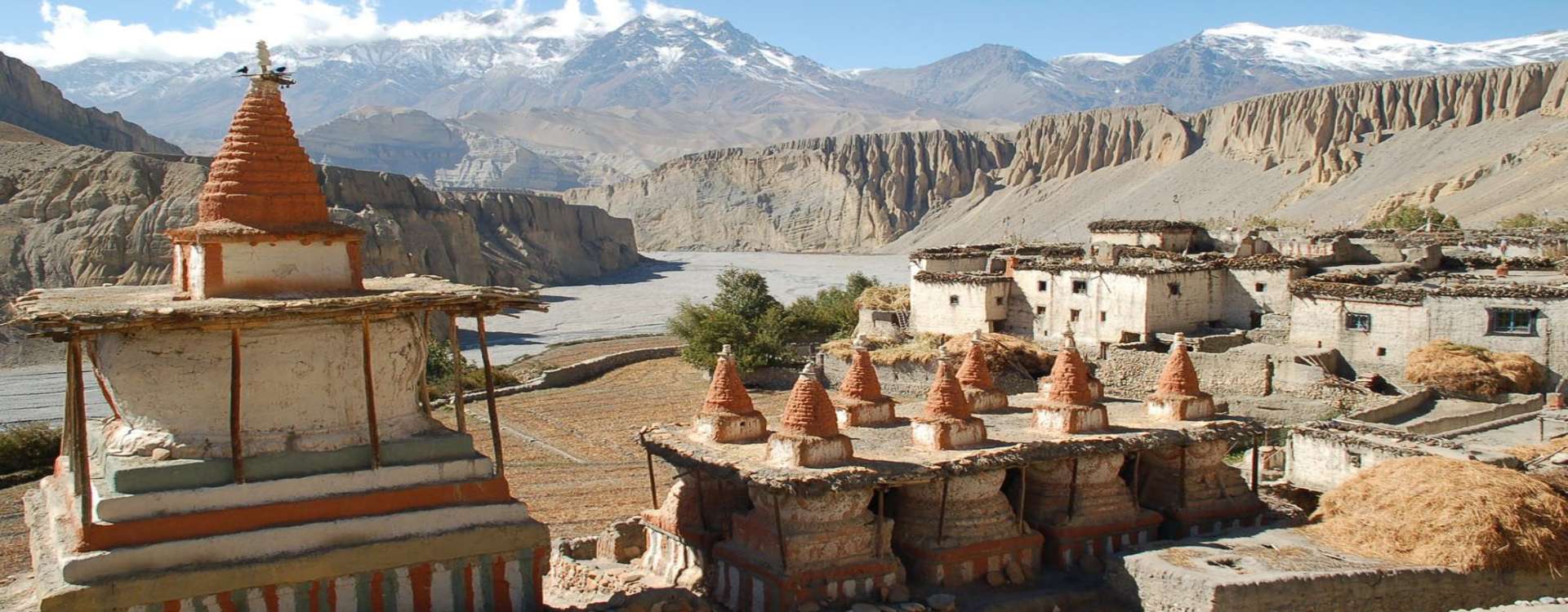
Autumn (September to November) follows the monsoon and is widely regarded as the most stable trekking season. Temperatures range from 10–20°C during the day, skies are clear, and the landscape feels refreshed. Cultural festivals such as Dashain and Tihar bring villages alive with celebrations, music, and feasts. Nights can be cool, sometimes dipping to 5–10°C, so warm layers are essential.
For families seeking quieter trails, early March or late November can work well, though mornings may be frosty. The monsoon season (June to August) is best avoided due to slippery trails and leeches, while winter (December to February) can bring snow and cold unless sticking to very low-altitude hikes around Pokhara or Kathmandu Valley.
Premier Safe Routes: Family-Friendly Treks in Nepal
Ghorepani Poon Hill Trek (4–7 Days)
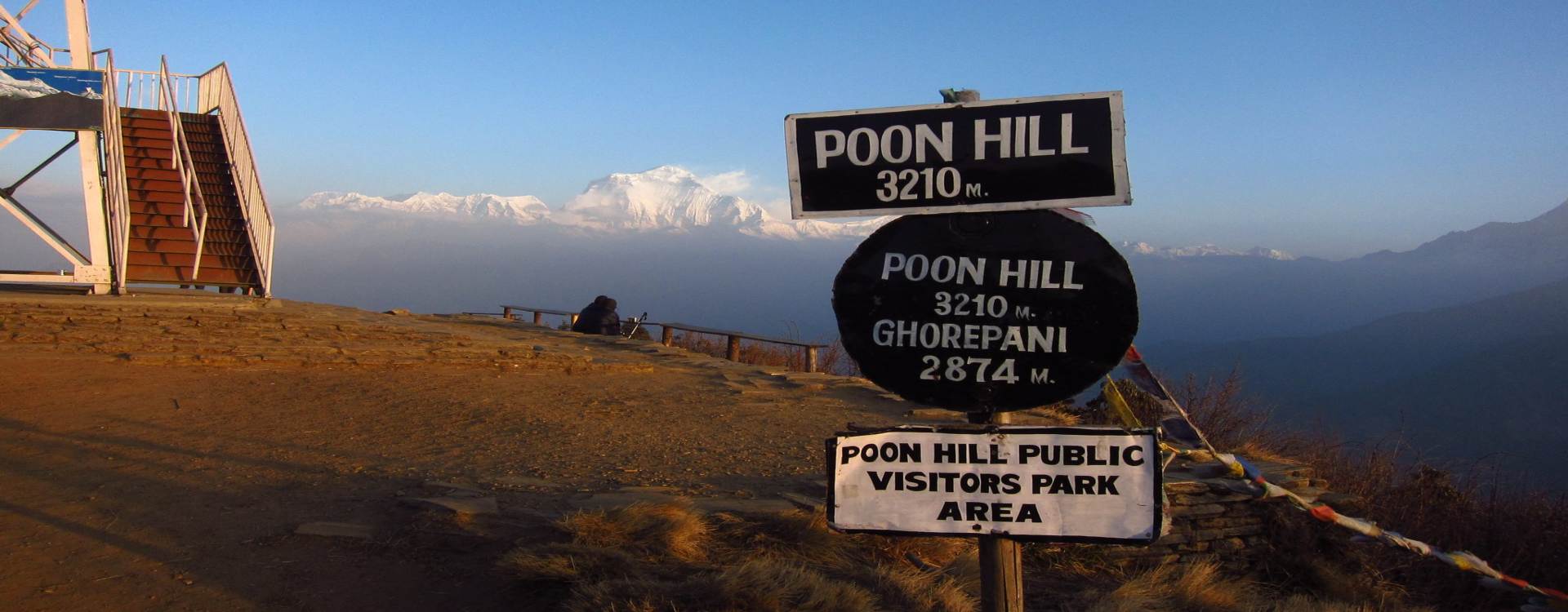
One of Nepal’s most popular family treks, the Ghorepani Poon Hill route reaches a maximum altitude of 3,210 meters. The journey begins with a drive from Pokhara to Nayapul, followed by gentle ascents through farmland and forests. Teahouses are frequent and comfortable, making daily stages manageable.
The early-morning hike to Poon Hill rewards trekkers with sweeping sunrise views over Annapurna and Dhaulagiri—often a highlight for children and first-time trekkers alike. Village stops such as Ghandruk offer cultural museums, storytelling evenings, and insights into Gurung life. Optional pony rides and flexible pacing make this route especially appealing to seniors and families with younger children.
Dhampus and Australian Camp Trek (3–5 Days)
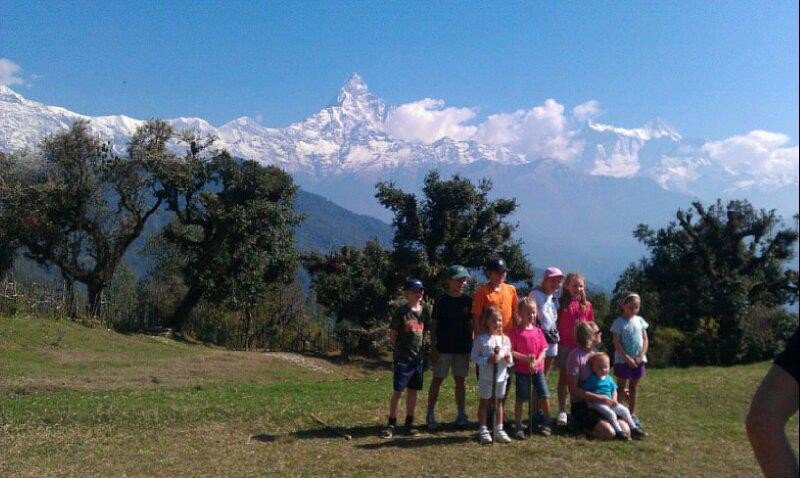
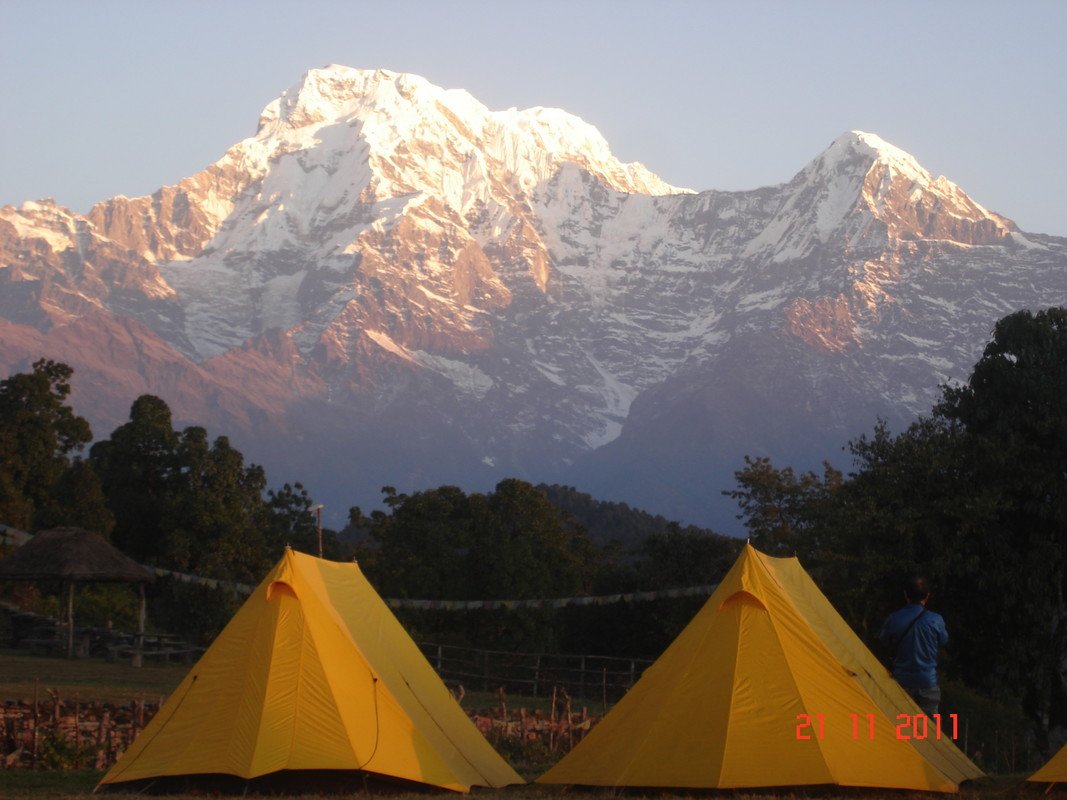
Close to Pokhara, this low-altitude trek peaks at around 2,100 meters and is ideal for beginners. Short daily walks pass through terraced fields and traditional villages, with panoramic views of Machhapuchhre and Annapurna South. Open meadows at Australian Camp provide space for picnics, birdwatching, and relaxed family time.
Its flexibility, short walking hours, and easy access make this trek popular with families traveling with seniors or limited time.
Chisapani–Nagarkot Trek (3–4 Days)
Located in the Kathmandu Valley, this route combines forest trails with cultural landmarks. Starting from Sundarijal, the trek winds through Shivapuri National Park to Chisapani and onward to Nagarkot, reaching a maximum altitude of 2,175 meters. On clear days, sunrise views from Nagarkot may even reveal distant Himalayan peaks.
The trek concludes near the historic Changu Narayan Temple, offering a gentle blend of nature and heritage well-suited to multi-generational groups.


Ghandruk Village Trek (4–6 Days)
Focused more on culture than distance, this Annapurna foothills trek stays below 2,100 meters. Families spend time in and around Ghandruk village, visiting museums, observing daily life, and enjoying homestay experiences. Optional side hikes allow flexibility, while seniors often appreciate slower village-based days.
Sarangkot and World Peace Stupa Day Hikes (1–3 Days)
Based out of Pokhara, these short hikes remain under 2,000 meters and are perfect for mixed-ability families. Sarangkot offers sunrise views and optional paragliding for adventurous teens, while the World Peace Stupa combines gentle walking with lake views and cultural calm. These outings work well as standalone experiences or warm-up hikes.


Additional Options: Langtang Valley and Helambu
For families with older children seeking longer adventures, Langtang Valley (7–10 days, max ~3,870m) and Helambu (5–7 days, under 3,600m) offer deeper immersion. Both regions feature moderate daily distances, strong community rebuilding efforts, and rich Tamang culture. These routes require careful pacing but reward trekkers with glaciers, alpine landscapes, and quieter trails.
In-Depth Tips for a Smooth Family Trek
Preparation is key. Begin light family walks months in advance, gradually building endurance. Children respond well to small goals; nature scavenger hunts or wildlife spotting, while seniors benefit from trekking poles and regular breaks.
Packing essentials include layered clothing, waterproof jackets, sturdy footwear, and hats. Families should carry a basic first-aid kit, water purification tablets, headlamps, and snacks. Teahouses typically serve simple but filling meals such as rice, eggs, pasta, and soups, though dietary needs should be communicated clearly.
Hydration and gradual ascent are crucial. Monitor for symptoms such as headaches or nausea, and descend if symptoms worsen. Comprehensive travel insurance that includes helicopter evacuation is strongly recommended.
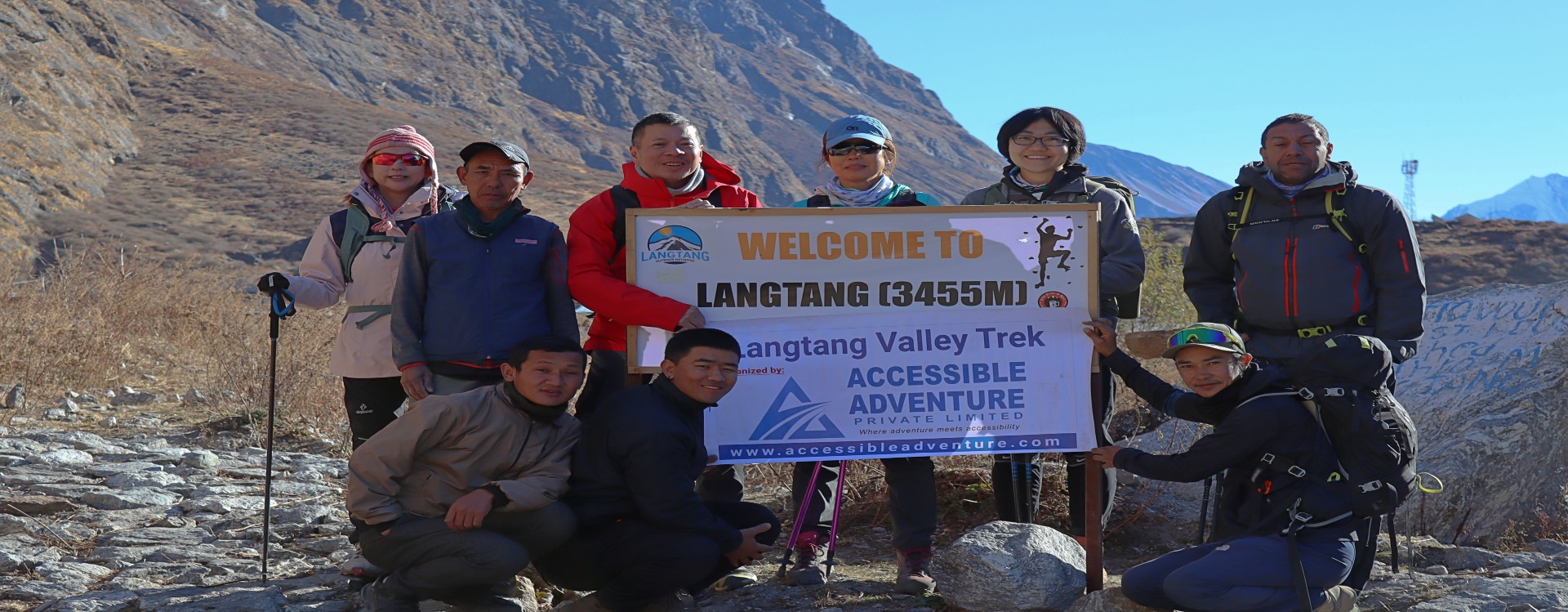
Trust Accessible Adventure for Tailored Family Journeys
Kathmandu's Accessible Adventure, established in 2012, excels in family packages with child/senior-trained guides. They customize paces, add pony rides, and include cultural workshops. 2025 offerings feature eco-treks and small groups (max 8). Reviews commend seamless logistics and attentive care, with success rates over 95%. Packages from $300 include permits, insurance, and Kathmandu transfers. Contact today for a free consultation.
Embarking on Your Family Himalayan Adventure
Family trekking in Nepal weaves adventure with connection, from Poon Hill vistas to village tales. Assess group needs, book early for prime seasons, and embrace the journey. With guides leading, your trek becomes a cherished chapter. Reach Accessible Adventure for quotes. Your Himalayan story awaits.