How to Acclimatize Properly on the Manaslu Circuit Trek: A Complete Guide
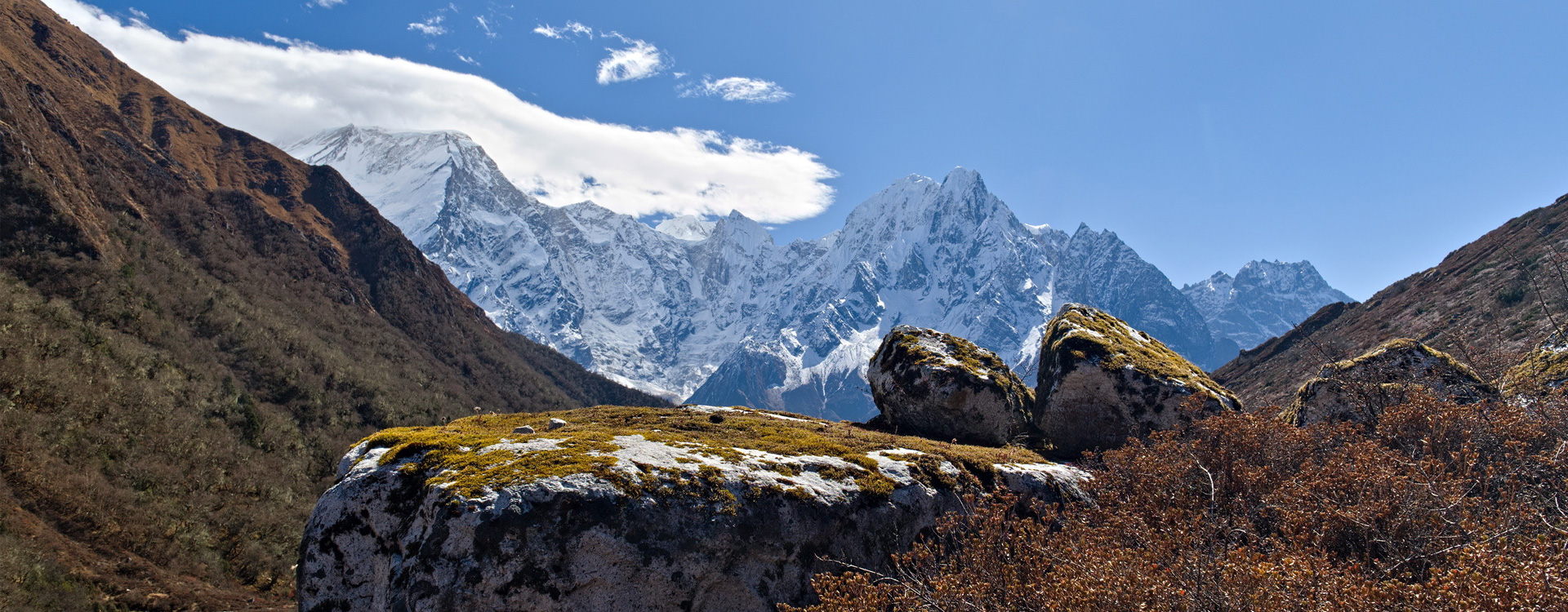
The Manaslu Circuit Trek is a difficult yet satisfying adventure through remote Himalayan regions of Nepal that are beautiful. Mount Manaslu, it is the eighth-highest mountain that is in the world, towers above the trail. This trek needs some physical preparation as well as mindful acclimatization for altitudes that rise up above 5,100 meters near Larke Pass. Acute Mountain Sickness or AMS can imperil even the strongest of trekkers lacking proper altitude adaptation turning a trek dream into a medical emergency event.
Due to the elevation gain and remoteness of the trail, careful planning is surely required. For safely as well as successfully experiencing Manaslu, you must acclimatize. Acclimatization is not optional. This guide provides useful perceptions for trekkers during their adventure. These perceptions enable trekkers for adapting gradually to high altitudes.
Understand How Altitude Affects the Body
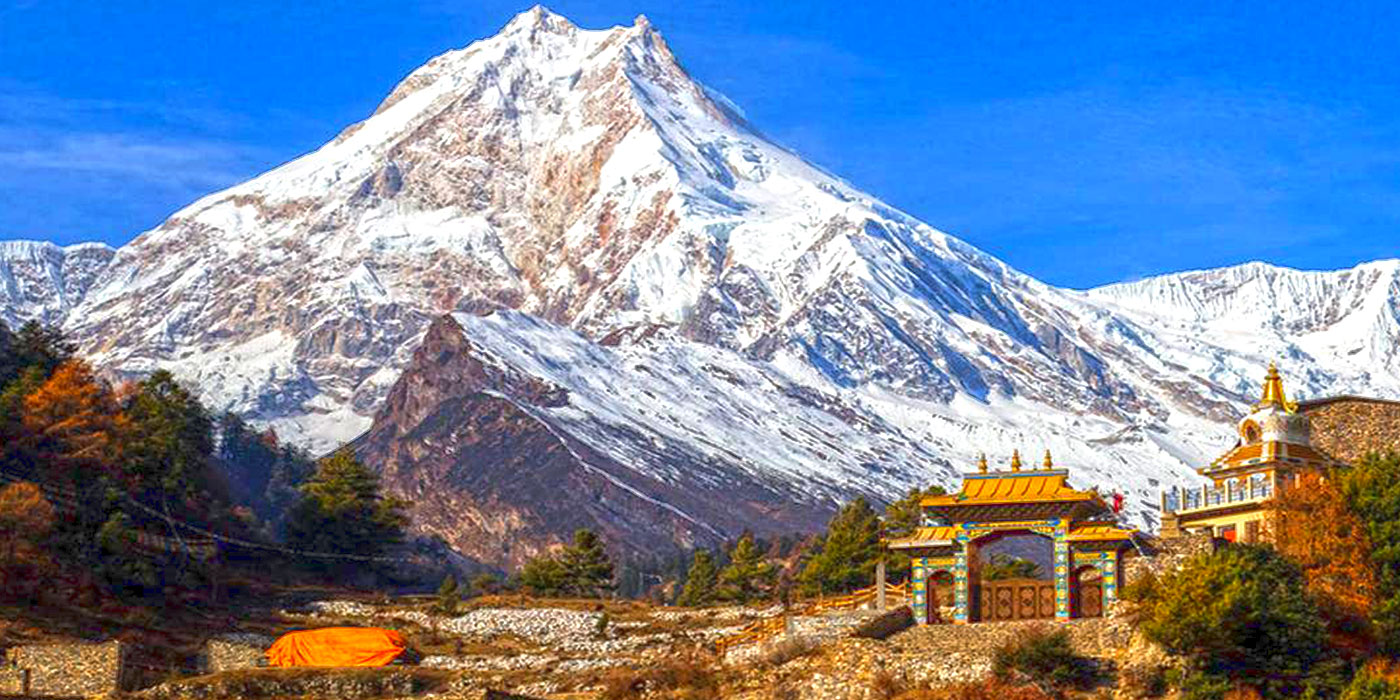
Before you can acclimatize for Manaslu Circuit Trek in a proper way, you must understand just what high elevation does to your body. As altitude increases then the air becomes more thin. Thinning has important oxygen level drops linked. Your body needs to adjust to this type of change. This procedure needs effort and time. Altitude sickness may happen if the change occurs too suddenly.
Headaches, nausea, dizziness, and also fatigue are common AMS symptoms. These signs require awareness on the Manaslu Circuit Trek. Your body does start to feel effects with more sharpness as the trek rises to above 3,000 meters. However, if trekkers gradually adapt as well as tactically plan, most can complete the trail in safety.
Altitude affects each person uniquely despite age or fitness. Acclimatization therefore must be prioritized even by all of the trekkers. You can respond early to potential issues, plus pay close attention to your body's signals.
Plan an Itinerary with Proper Acclimatization Days
An effective itinerary stands as one of the most vital instruments for adaptation at high altitudes. Be sure that there are acclimatization days that are designated when you plan for your Manaslu Circuit Trek. It is of importance during the trek's planning phase for sure. These rest periods are what help your body to adjust gradually. These breaks decrease likelihoods of altitude sickness.
Samagaon, at a height of 3,530 meters, is the place that most itineraries will typically include for a rest day. The village has a high elevation near higher passes so it is a key acclimatization stop. Prior to ascending to Larke Pass, another optional rest day offers additional adaptation time in Samdo at 3,875 meters.
Use acclimatization days in preference to remaining inactive for light hikes to higher altitudes followed by sleeping at a lower elevation. This widely used technique is known by altitude experts as “climb high, sleep low”. Oxygen-carrying capacity improves along with a triggered red blood cell production.
Ascend Gradually and Follow the Golden Rule of Altitude
The golden rule for altitude trekking is to elevate yourself no more than 500 meters on each day past 3,000 meters. Trekking the Manaslu Circuit, people might feel excited and proceed forward faster than they should. AMS risk rises upon rapid ascents also dangerous outcomes may occur.
You must slow your pace because you approach higher camps especially. You may feel strong. It is better to remain wary. Your body makes a good amount of red blood cells so oxygen is able to be carried with efficiency using measurement. As you do climb, hydration will become important. This is in particular the case as you start to go more higher.
For avoiding alcohol or sleeping pills, which can interfere with natural breathing patterns at night, drink at least three to four liters of water per day. If AMS symptoms occur, rest and then descend if it is necessary. Your health must always take precedence above all. Only a goal is the summit.
Use Acclimatization Aids and Monitor Your Health
In addition to pacing and rest, some trekkers may carry acetazolamide (Diamox) for aid in acclimatization. Only a health expert can direct how these get used. They do not serve in place of proper altitude management yet they still can help to ease symptoms in some other cases.
You must monitor your own health on a daily basis during the Manaslu Circuit Trek. Note about how you feel each morning and evening. A mild headache can be an early sign that the body is struggling. Changes that you miss fellow trekkers may observe making it easier to detect these issues. Group travel is the reason.
Pulse oximeters are useful tools for measurement of blood oxygen saturation. However, these same tools are not always that accurate under cold or extreme conditions. Therefore, while technology assists, self-awareness with guides communicate instead. Caution as well as care must be taken by one in making decisions concerning continuing. Resting decisions must likewise be made carefully and cautiously.
Stay Physically and Mentally Prepared for Altitude Challenges
Physical fitness supports acclimatization via strengthening your body so it adjusts under stress. Prior to your Manaslu Circuit Trek, train through hiking practice, strength exercises, and cardio. Altitude tolerance differs from fitness though. Fitness is not linked directly to altitude tolerance. Fast ascensions affect even elite athletes too.
Preparing mentally matters equally. Trekking at high altitude is taxing emotionally. Morale may be affected by fatigue or shortness of breath and harsh conditions. People should be positive, stay patient, and be flexible when routes change or delays happen. Such matters require these specific approaches. A part of trekking at elevation is to accept that your pace must have an adjustment.
A mental focus is helped through adequate rest with deep breathing. Self-care routines do help also. Try to practice gratitude for each trek stage and try to stay in tune with your emotional state. Your physical response as well as your overall trekking experience both improve when remaining focused yet calm throughout challenges.
Conclusion
Acclimatizing properly on the Manaslu Circuit Trek involves much more than simply ascending upward. Respecting the mountain and listening to your body is vital at every single step. Altitude's impacts on your health, planning rest days, and pacing your adventure all affect your safety so ensure success.
For most trekkers, the landscapes that are so stunning and spiritual richness are accessible through sound strategies. This trek here can become just one of the most rewarding adventures there are in Nepal for virtually all of the trekkers. Careful preparation is worthwhile upon snow-covered peaks, ancient monasteries, and remote mountain villages.
Awareness, patience, also humility upon climbing will increase your chances of reaching Larke Pass. You climb along with such traits because of this that adventure connection is improved too.