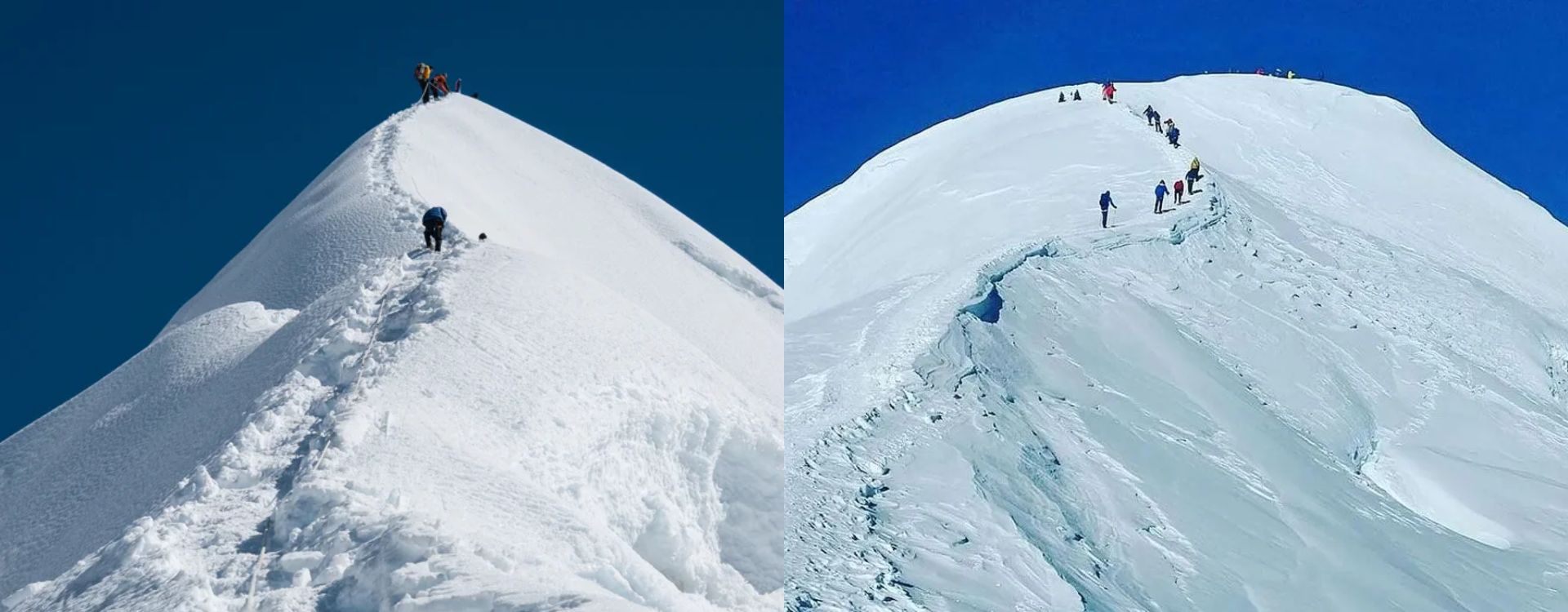
Island Peak vs Mera Peak: Which One Should You Choose As A First-Timer?
Dreaming of standing on a Himalayan summit for the first time? The thrill of high-altitude air, panoramic views of snow-capped giants, and that rush of accomplishment draws thousands of adventurers to Nepal each year. If you are a beginner climber eyeing your initial 6,000-meter peak, two stand out: Island Peak and Mera Peak. Both offer accessible entry points into mountaineering, but they differ in ways that could make or break your experience. Island Peak climbing, in particular, has become a rite of passage for many novices, blending technical skills with breathtaking Everest-region scenery. In this guide, we break down the essentials to help you decide which suits your fitness, goals, and comfort zone. Whether you crave technical challenges or pure endurance, one of these could be your gateway to the world's highest mountains.
Understanding Island Peak Climbing: A Beginner's Gateway to the Khumbu
Island Peak, soaring to 6,189 meters in the Everest region, earned its name from British explorers who thought its isolated glacier resembled an island in a sea of ice. For first-timers, island peak climbing strikes a balance between trekking and mountaineering, making it ideal if you have some hiking background but no prior ice experience.
The climb typically spans 14 to 17 days, starting with a scenic flight from Kathmandu to Lukla. You trek through the iconic Sherpa villages of Namche Bazaar and Tengboche, acclimatizing along the way with rest days and side hikes like Chhukung Ri at 5,500 meters. The real action kicks off at base camp, where guides teach basic skills: walking in crampons, self-arrest with an ice axe, and using fixed ropes on the glacier. Summit day begins at midnight, crossing a crevassed icefield via ladders, then ascending a 45-degree snow headwall. Expect 8 to 12 hours round-trip, with stunning close-up views of Lhotse, Nuptse, and even Everest's south face.
What makes island peak climbing beginner-friendly? Its structured acclimatization reduces altitude sickness risks, and professional guides handle the technical bits, leading to success rates above 80 percent for fit participants. You need solid cardiovascular fitness—think hiking with a pack for 6 to 8 hours daily—but no advanced climbing resume. Best attempted in spring (March to May) for stable snow or autumn (September to November) for clear skies. Costs range from $2,000 to $2,500, covering permits, guides, and gear rentals in Kathmandu.
Mera Peak Climbing: Endurance Over Technique in a Remote Wonderland
Shift to the Makalu-Barun region, and Mera Peak rises to 6,476 meters—the highest trekking peak in Nepal. Less crowded and more remote, it appeals to those seeking solitude amid rhododendron forests and glacial valleys. Mera Peak climbing focuses on stamina rather than ropes and picks, suiting beginners who prioritize long days on foot over hands-on mountaineering.
Your 16 to 21-day itinerary flies into Lukla too, but veers east into the Hinku Valley. Days blend teahouse stays in villages like Kothe and Thangnak with gradual ascents, including three nights at Khare (4,950 meters) for acclimatization hikes. High camp at 5,800 meters sets the stage for a pre-dawn summit push: a steady 1,000-meter gain over snow and rock, lasting 10 to 11 hours. No ladders or steep walls here—just rhythmic steps in crampons, with ropes for security on icy sections.
Beginners love Mera for its non-technical route; you can summit without prior glacier training, as long as you build endurance through months of cardio and loaded hikes. The higher altitude tests your lungs more intensely, but extended rest days boost adaptation, pushing success rates to around 80 percent. Spring brings green valleys contrasting white peaks, while autumn offers crisp air and festivals. Budget $2,200 to $2,800, similar to Island, though remoteness means pricier logistics.
Head-to-Head: Key Differences for Novice Climbers
Choosing between island peak climbing and Mera Peak boils down to your priorities. Let's compare core aspects.
Difficulty and Technical Demands
Island Peak edges toward moderate technicality with its glacier crossing and headwall, requiring a short skills clinic at base camp. If heights or harnesses intimidate you, this might feel daunting at first. Mera Peak, by contrast, is a straightforward snow hike; technically easier, but the extra 287 meters demand superior aerobic fitness and mental grit for exposed, windy ridges. For pure beginners, Mera lowers the skill barrier.
Altitude and Acclimatization
Mera's summit tests higher-altitude tolerance, with camps pushing 5,800 meters. Island tops out lower but starts acclimatization sooner via the bustling Everest trail. Both emphasize rest days, but Mera's remote path allows more flexible pacing to combat acute mountain sickness.
Trek In and Logistics
Island's approach follows well-trodden paths with cozy lodges and frequent supply drops, which is easier for jet-lagged arrivals. Mera's trek involves rugged ups and downs over passes like Zatrwa La (4,600 meters), with spartan teahouses that build resilience but test patience. If you prefer comfort, Island wins.
Scenery and Rewards
Both deliver jaw-dropping vistas, but styles differ. Island Peak climbing frames the Khumbu icefall and Everest base camp vibes, feeling like a classic Himalayan postcard. Mera rewards with 360-degree panoramas of five 8,000ers: Everest, Lhotse, Makalu, Kanchenjunga, and Cho Oyu—plus untouched wilderness. Mera feels more epic for isolation seekers.
Costs and Duration
Durations overlap at 14 to 21 days, but Island often pairs with Everest Base Camp for a fuller adventure (adding $300). Prices align closely, though Mera's remoteness can inflate porter fees.
Pros and Cons: Tailoring to Your Beginner Profile
For island peak climbing pros: Immersive Everest culture, skill-building that preps for bigger peaks, and vibrant community vibes. Cons include technical nerves and crowds on the trail.
Mera Peak pros shine in simplicity—no steep learning curves—and raw, unspoiled beauty. Drawbacks? Longer approach days and potential isolation if weather turns.
If you are fit from weekend hikes but crave instruction, Island builds confidence. Endurance athletes or solitude lovers? Mera hones your high-altitude engine without the frills.
Which Peak for Your First Climb? Making the Call
As a first-timer, assess your baseline. Got basic trekking miles under your belt and a thirst for ropes? Dive into island peak climbing: it's a confidence booster that opens doors to icons like Lobuche East. Prefer steady plodding with minimal gear fuss? Mera Peak delivers that high-altitude high without overwhelming technique, ideal if altitude is your main worry.
Consider logistics too. Both demand 4 to 6 months of prep: stair climbs, yoga for balance, and pack-weighted walks. Hydrate relentlessly, pack layers for -20°C nights, and always hire licensed guides; Nepal mandates it for safety.
Prep Essentials: Gear Up Smart
Shared gear lists keep it simple: Crampons, ice axe, harness, helmet, down jacket, and a four-season bag. Rent in Kathmandu to save $200 to $400. Train progressively: Start with 5K runs, progress to hill repeats. Mental prep counts, so visualize the summit to push through fatigue.
Partner with Experts: Why Accessible Adventure Fits Beginners
Based in Kathmandu's Thamel heart, Accessible Adventure has guided hundreds of novices since 2012. Their tailored itineraries blend safety with cultural depth, like Sherpa-led training sessions that demystify glacier travel. Reviews rave about seamless organization and attentive guides who turn first-timers into repeat adventurers. They offer Island Peak from $2,220 and Mera from $2,295, plus a combo trek for $3,500—perfect for sampling both. With a 4.7 Trustpilot score, their focus on accessible Himalayan dreams ensures your summit isn't just possible, but unforgettable.
Summit Your Dreams: Take the Next Step
Island Peak or Mera Peak, either crowns your first Himalayan triumph. Island Peak climbing suits the technically curious, while Mera rewards the steadfast trekker. Whichever calls, start planning now: Spring slots fill fast. Contact Accessible Adventure today for a custom quote and let Nepal's peaks change you forever. Your base camp awaits. What will be your story?