Mera peak
Nepal's most enticing trekking peaks
Merapeak is a popular climbing destination in Nepal, known for its beautiful scenery and challenging ascent. Standing at 6,476 meters above sea level, Merapeak is located in the Khumbu region of Nepal and offers climbers an unforgettable experience. In this article, we'll explore more about Merapeak climbing in Nepal, including preparation, the climb itself, and what you can expect.
Preparing for Mera peak Climbing in Nepal
Before embarking on your Merapeak climbing adventure, it's crucial to prepare yourself physically and mentally. Climbing a mountain of this magnitude requires a high level of fitness and endurance. Therefore, you should engage in regular exercise routines that focus on cardio and strength training to build up your endurance and muscle strength.
Mental preparation is also important when it comes to Merapeak climbing. The climb can be mentally challenging, with various obstacles such as altitude sickness, steep terrain, and unpredictable weather. It's essential to remain positive and focused during the climb to ensure that you have the mental strength to push through the challenges.
In addition to physical and mental preparation, you will need to gather the necessary equipment and gear for Merapeak climbing. Some essential items include sturdy hiking boots, warm clothing layers, gloves, a hat, a backpack, and a headlamp. You will also need a sleeping bag, a tent, a water bottle, and food for the climb. It's important to research and invest in high-quality gear to ensure that you are adequately prepared for the climb.
Mera Peak Climbing Difficulty
Mera Peak is considered one of the more challenging trekking peaks in Nepal, and climbing it requires a good level of physical fitness and some technical skills.
The ascent to Mera Peak involves crossing glaciers, steep slopes, and sections of the climb that require the use of ropes, crampons, and other climbing equipment. The altitude gain is also significant, as the summit of Mera Peak stands at 6,476 meters (21,247 feet) above sea level.
While Mera Peak is technically classified as a non-technical peak, meaning it does not require specialized climbing skills or equipment such as ice axes or ropes, it still requires a good level of fitness and endurance. Trekkers are advised to undergo a proper training regime to prepare themselves for the climb, which includes cardio exercises, strength training, and endurance training.
Furthermore, hiring a local guide or joining a guided tour is highly recommended, as they can provide valuable knowledge and support in navigating the terrain and dealing with any unexpected situations.
The Climb
Merapeak climbing in Nepal typically takes around 16 days to complete, depending on the chosen route and weather conditions. The most common route is the standard South Face route, which starts from Lukla and passes through the Khumbu Valley.
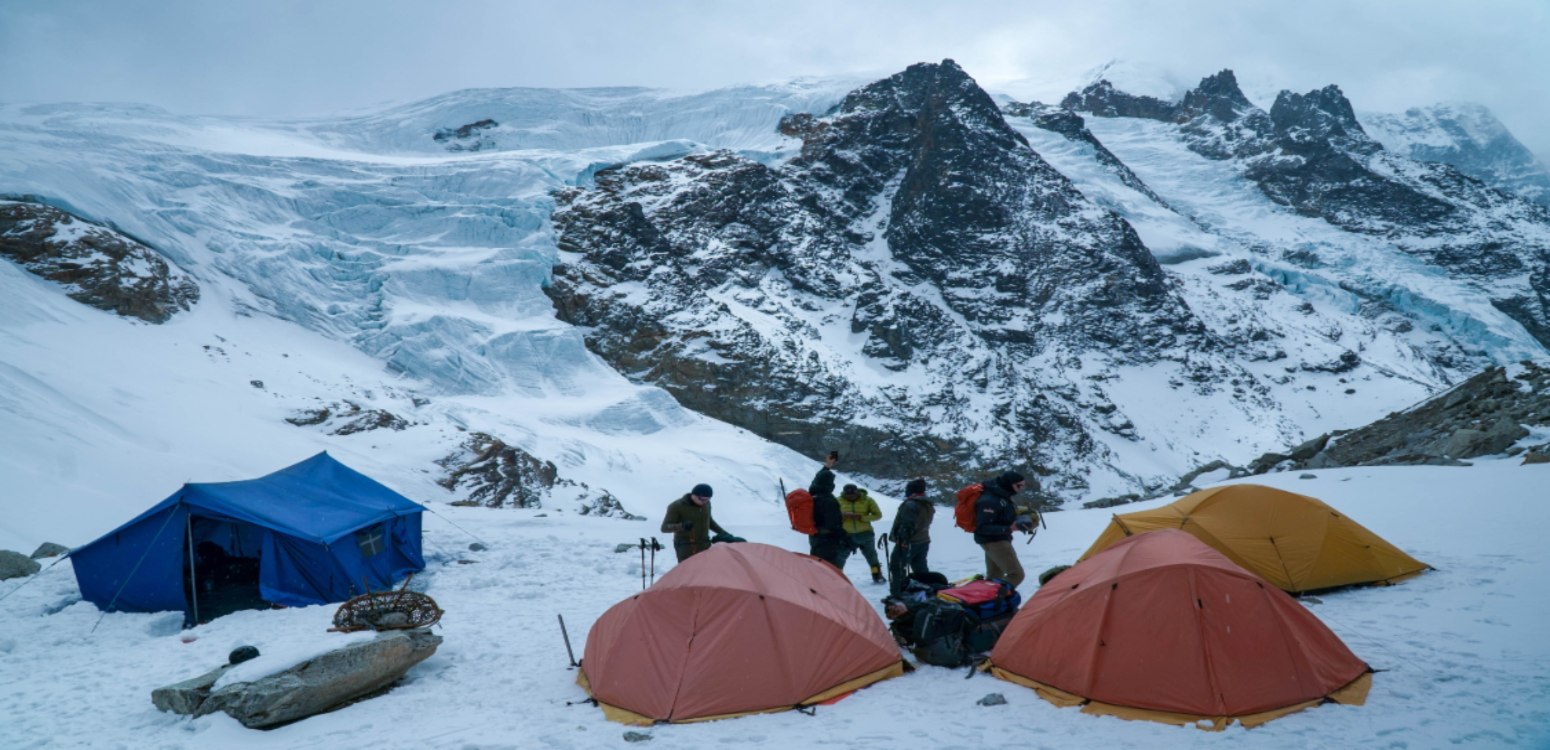
The climb begins with a trek from Lukla to Namche Bazaar, where climbers will rest for a day to acclimatize to the altitude. From Namche Bazaar, climbers will continue their ascent to the Merapeak Base Camp, which takes around six days.
Once at the base camp, climbers will spend a few days acclimatizing before starting their ascent to the summit. The ascent to the summit involves several camps, with climbers stopping at each camp to rest and acclimatize.
Reaching the Summit
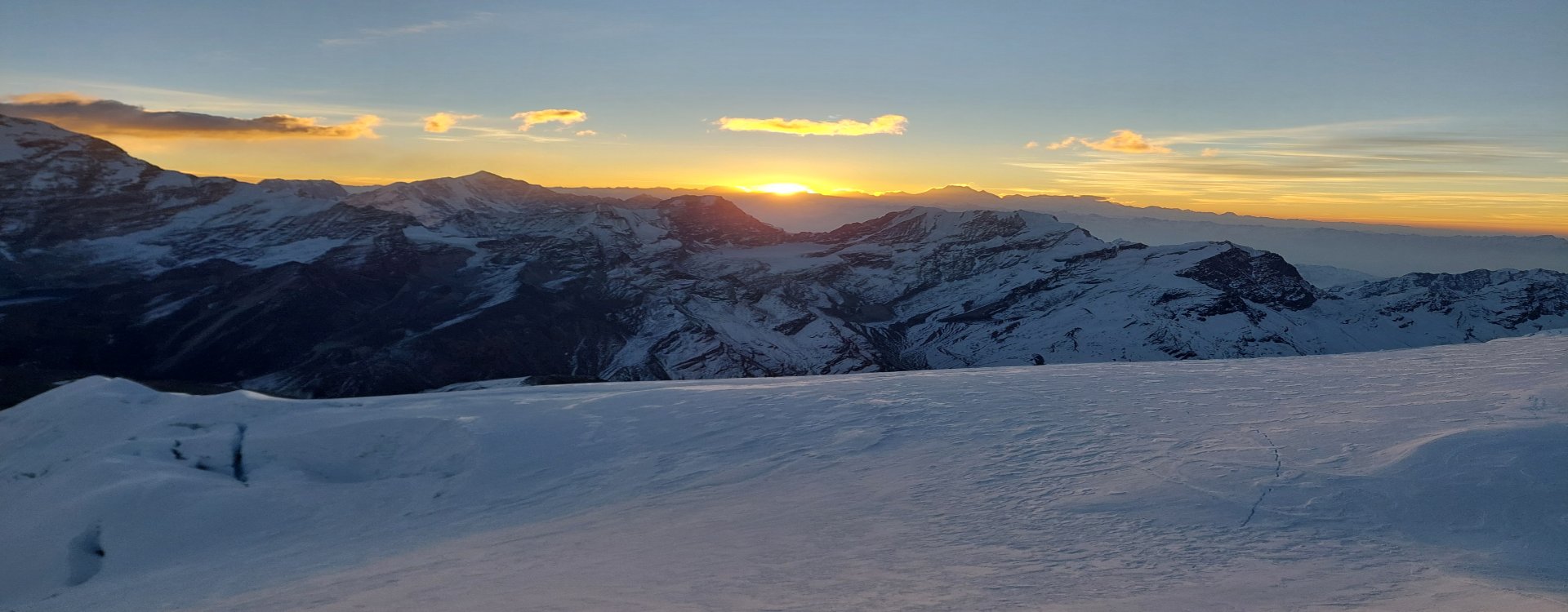
Reaching the summit of Merapeak is a rewarding and unforgettable experience. Climbers will typically reach the summit at sunrise, where they can witness breathtaking views of the surrounding mountains and valleys. It's essential to take precautions when climbing down, as the descent can be just as challenging as the ascent.
Location and Height of Mera Peak
Mera Peak is situated in the heart of Sankhuwasabha district in the Sagarmatha Zone. This stunning mountain is part of the Mahalangur range in the Himalayas. Mera Peak has a rich history. It was first discovered by a British expedition team. The team included the legendary duo- Sir Edmund Hillary and Tenzing Norgay Sherpa, conquerors of Mount Everest.
The towering height of Mera Peak stands at an impressive 6,654 meters (21,831 feet).
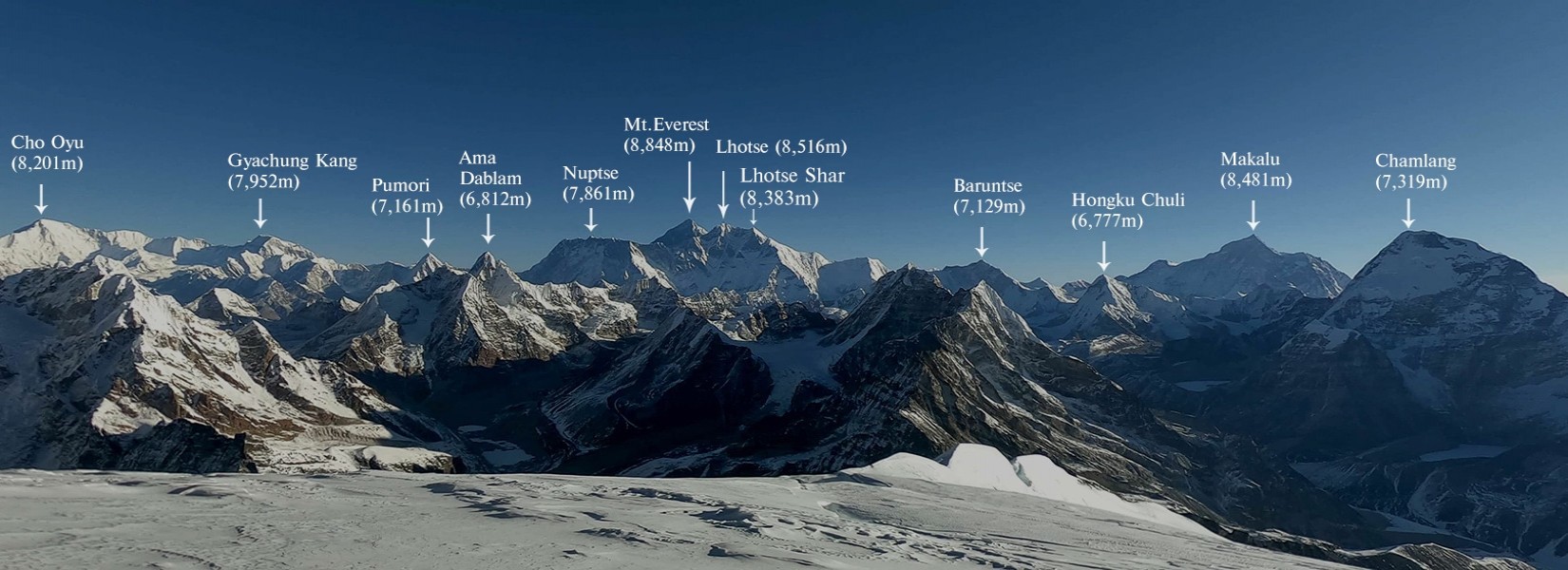
Mera Peak Expedition Route
Mera Peak is one of the highest trekking peaks in Nepal, and climbing to the summit requires a good level of fitness and experience with high-altitude mountaineering. Here is a general outline of the climbing route to the summit of Mera Peak:
-
Day 1-7: Trek from Lukla to Mera Base Camp
-
Day 8: Rest day at Base Camp for acclimatization
-
Day 9-10: Climb to the high camp
-
Day 11: Summit day, Climb to the top of Mera Peak (6,476m/21,247ft) and return to High Camp.
-
Day 12: Descend to Base Camp
-
Day 13-15: Retrace the trekking route back to Lukla and fly back to Kathmandu.
Tips for Merapeak Climbing in Nepal
Here are some tips to help you prepare for your Merapeak climbing adventure in Nepal:
-
Choose the Right Time to Climb: The best time to climb Merapeak in Nepal is between March and May and September to November. These months offer the best weather conditions and clear skies, making for a more comfortable climb.
-
Hire a Professional Guide: It's highly recommended to hire a professional guide for your Merapeak climb. A guide will not only provide you with support and guidance during the climb but also ensure your safety and wellbeing.
-
Acclimatize Properly: Acclimatizing to the altitude is crucial when climbing Merapeak. Make sure to take your time and spend a few days at each camp to acclimatize properly.
-
Stay Hydrated: Staying hydrated during the climb is essential. Make sure to drink plenty of water and avoid consuming alcohol and caffeine, which can dehydrate you.
-
Take Your Time: Climbing Merapeak is not a race. Take your time, pace yourself, and listen to your body. If you're feeling unwell or experiencing altitude