More Than Everest: Epic Alternative Treks in Nepal for the Discerning UK Adventurer
Nepal’s towering Himalayas have long been a magnet for British trekkers, but there is far more to a Nepal trip than Everest alone. In fact, travel writers note that while “Everest dominates headlines… [it] has serious downsides – notably high-season overcrowding, the hassles (and dangers) of flying into Lukla, and the dangers of traveling to such high altitude.” Indeed, “most tour leaders agree that Nepal’s best trekking experiences actually remain outside the Everest region” (outsideonline.com). For UK adventurers seeking quieter trails, cultural immersion or simply a new challenge, Nepal offers many lesser-known routes that are every bit as spectacular as the Everest Base Camp trek. These alternatives typically have well-developed teahouses, stunning scenery and local culture, but with fewer crowds and sometimes gentler altitude profiles.
In recent years Nepal’s tourism has boomed (over one million foreign arrivals in 2025), with British visitors among the largest groups (travelandtourworld.com). Travel analysts note a trend: UK travelers are increasingly looking for “quiet routes and lesser-known valleys. In Nepal, you’ll find trails beyond Everest that are just as breathtaking” (highplaces.co.uk). These treks may not grab headlines, but they often yield deeper rewards – cooler lodges, authentic village life, and solitude under the same Himalayan sky. As Nepal’s Accessible Adventure agency (Kathmandu-based specialists in custom treks) attests, the country’s “heart of the Himalayas” is open to all kinds of hikers. By exploring these epic alternatives, a UK traveller can experience Nepal’s mountains in a more personal, adventurous way.
Why Go Beyond Everest?
Everest Base Camp (EBC) is undeniably iconic, but it is no longer the wilderness adventure it once was. In peak season the trail from Lukla airport to EBC is crowded – hundreds of trekkers daily – and nights are spent in busy teahouse lodges lining the Khumbu valley. Many UK hikers (and their guides) confess to fatigue from the crowds. There’s also the notorious flight into Lukla: a short-but-harrowing mountain runway that is often delayed by weather. These factors – plus the extreme altitude of 5,364m at base camp – mean Everest treks can be logistically complex and physically punishing. For safety and experience, seasoned guides now emphasize other regions.

Lukla Airport’s short, high-altitude runway – the only way into the Everest region by air.
“Everest Base Camp grabs the headlines,” says one trek guide, but the ever more cautious UK traveller may prefer routes that avoid the Lukla gamble. In 2025 Nepal officially banned independent trekking on major routes: all foreign trekkers must hire a licensed guide through a registered agency (ntb.gov.np). (So plan to book through a reputable Nepali outfitter.) Beyond logistics, many agree that the scenery and culture of other regions can be equally magnificent. As travel writer Bradley Mayhew notes, if you want social teahouse comforts, consider the Annapurna Sanctuary or Langtang Valley treks. If you crave silence and solitude, choose longer camping treks like Kangchenjunga or Makalu, or head to the Tibetan Buddhist lands of Mustang or Dolpo. In short, Nepal’s mountains are a tapestry of opportunities. By going “off Everest,” UK adventurers often find wild panoramas and rich culture with far fewer companions on the trail.
Some key points for UK travellers planning a highland adventure:
- Visa and Entry: British citizens must have a tourist visa (up to 90 days) for Nepal (gov.uk). The visa-on-arrival system is straightforward – you can apply online or get the visa at Kathmandu airport. You’ll need valid passports (6+ months beyond entry date), and it’s wise to carry US dollars (or card) for visa fees (gov.uk).
- Insurance: The UK Foreign Office requires travellers to Nepal to have travel insurance covering medical evacuation (gov.uk). This is especially crucial in the mountains where helicopter rescue is a real possibility. (In fact, Nepal now insists guides carry insurance details, and rescues are only initiated if you’re insured (placesnepal.com).
- Guides & Permits: Trekking solo is not allowed. Since 2023, foreign trekkers must hire a licensed Nepali guide through an authorized agency (ntb.gov.np). Permits are also needed for most regions: e.g. Sagarmatha National Park pass for Everest/Gokyo, Annapurna Conservation Area Permit (ACAP) for the Annapurna region, and special Restricted Area Permits for places like Mustang or Dolpo. Budget for these (e.g. Upper Mustang alone is ~$500 for 10 days) and plan them with your agency.
- Weather & Season: The best trekking seasons are pre-monsoon (March–May) and post-monsoon (September–November). Days are clear, and mountain views outstanding. Avoid monsoon (June–August) in high country – landslides are common.
- Packing: Bring layered clothing (including a warm down jacket), sturdy boots, and sun protection. In many teahouses you can rent or buy basic gear, but spare socks, a headtorch, and a high-altitude sleeping bag (some routes require tenting) are recommended.
Overall, Nepal is quite safe and tourist-friendly. English is widely spoken by guides and lodge owners, and ATMs or exchanges are common in towns (though carry some cash for remote areas). Among UK adventurers the consensus is that proper preparation and a local guide unlocks the best experiences.
The Annapurna Region: Variety and Beauty
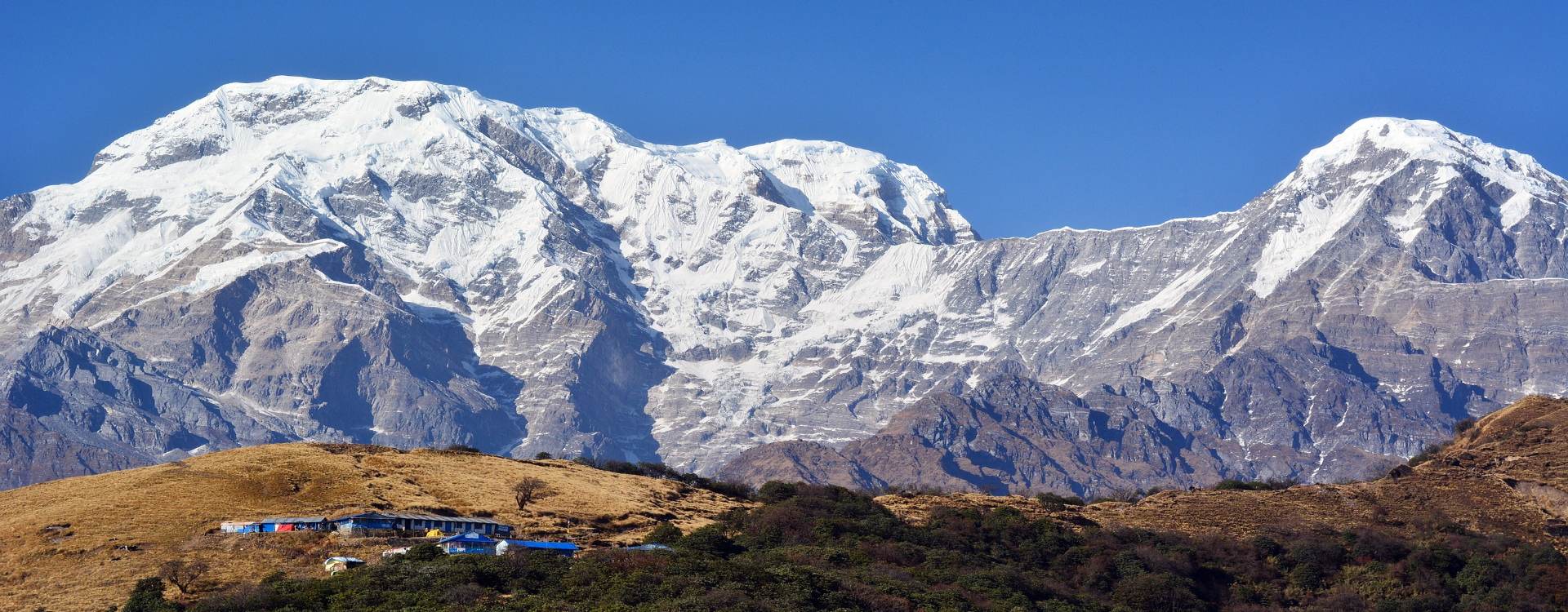
Nepal’s Annapurna massif (central Nepal) offers some of the world’s most popular trekking options besides Everest. These routes combine lush sub-tropical forests, terraced villages, and dramatic high peaks – all within a relatively low-altitude range (4,130m at ABC – 9,943’ – vs. EBC’s 5,364m). The advantage for UK trekkers is a longer “teahouse season” and generally milder trekking days, with cultural encounters in Gurung and Thakali villages.
-
Annapurna Sanctuary (Base Camp): This 8–10 day trek starts in Pokhara’s rice fields and ascends through Gurung settlements into a high cirque surrounded by the pinnacles of Machhapuchhare (Fishtail) and Annapurna South. It’s famously dramatic – one writer calls it “the most popular of the routes into the stunning Annapurna massif”(outsideonline.com). At Machhapuchhare Base Camp (3,700m), you can camp below towering cliffs, then push to Annapurna Base Camp at 4,130m. The trail is well-marked, teahouses are plentiful, and it’s suitable for moderately fit trekkers. Annapurna Sanctuary is road-free and retains a wild feel, though it’s busy in peak season. To avoid the crowds, book early or consider shoulder seasons.
-
Annapurna Circuit (Classic Loop): A few years ago this 17–21 day loop was one of the ultimate treks. A road has since cut through a large section, but the original high-route is still doable via secondary paths. It crosses Thorong La Pass at 5,416m, offering epic views of Annapurna I (8,091m) and Dhaulagiri (8,167m). The circuit now can be shortened – for example, ending at Jomsom and flying to Pokhara – but still provides classic Himalayan vistas. UK trekkers who want a longer, legendary route (and have acclimatised first) still rave about the Annapurna Circuit’s diversity – from rainforests to alpine deserts.
-
Mardi Himal and Ghorepani (Short Scenic Treks): For travellers short on time or experience, the Annapurna foothills have wonderful day treks. The Ghorepani-Poon Hill trek (4–5 days) climbs through rhododendron forests to Poon Hill (3,210m) for a sunrise panorama of Annapurna and Dhaulagiri. Mardi Himal Base Camp (4–7 days) is a quiet alternative: it follows the Annapurna Sanctuary to low camp, then a steep ascent to a 4,300m ridge overlooking Machhapuchhare’s north face. These shorter treks still boast towering 8,000-class peaks and comfort for beginners, making them excellent warm-ups or family-friendly options.
-
Culture & Comfort: The Annapurna region is famous for its excellent teahouses and trekking infrastructure. After each day’s hike you’ll find comfortable lodges with hot food – from “yak steaks and two-for-one cocktails” in Chhomrong to tea-houses in Ghandruk and Goregaon. The Gurung and Magar villages serve local staples like dal bhat (lentils and rice) and sweet yogurt. The Annapurna Cultural Centre (ACAP) actively promotes community tourism, so many villages have shops, schools, and lodges benefiting local people. For the UK adventurer, this means good trails, English-speaking porters and guides, and a variety of services (mini pharmacies, charging stations) along the way.
Langtang Valley & Gosainkund: Quick Himalayan Bang-for-Buck

Just a day’s drive north of Kathmandu lies the Langtang Valley – Nepal’s third most popular trekking region. Its proximity makes it convenient for UK travelers (you can even start at an affordable local bus from Kathmandu), yet its scenery feels remote and dramatic. This region is ideal as a shorter trek (typically 6–10 days) or an acclimatisation hike.
The Langtang Valley Trek ascends from 1,400m up through mixed forest into alpine meadows. Ruins of the old Langtang village (destroyed in the 2015 quake) mark the mid-point. From Kyanjin Gompa (3,870m), trekkers take day hikes to yogurt farms, glacier viewpoints, and yaks grazing above the tree line. It’s a “powerful scenic punch for a relatively short time investment,” says one guide – in a week you pass waterfalls, rhododendron woods, and massive peaks such as Ganesh Himal. Lodges are plentiful (even a bakery at Kyanjin!), and the trek is often done in a few days of easy walking (4–6 hours/day), making it very accessible. UK travellers on limited holidays often praise Langtang as a “bang-for-buck” trek: low cost, low altitude, huge rewards.
-
Gosainkund & Helambu Extension: For those with extra time, Langtang can be extended by crossing the 4,610m Laurebina La pass into the Gosainkund and Helambu area Gosainkund is a high bowl of about a dozen sacred lakes – on Hindu festivals thousands of sadhus (holy men) pilgrimage here to honor Shiva. From the frozen shore, the trail rises to Laurebina Pass (with broad views of Ganesh Himal and Langtang’s mountains) then descends through rhododendron forest to the lush Helambu valleys. Helambu’s temple villages (e.g. Tharepati, Kutumsang) are Sherpa-influenced and surprisingly temperate. This loop allows you to circumnavigate the Langtang range and drop back into the Kathmandu Valley on foot near Melamchi. (It’s also notable that much of this extension lies within Shivapuri National Park outside Kathmandu, so a final day’s hike can end in near-city, wandering out to sip coffee in Kathmandu’s cafes – a fun contrast after the wild.)
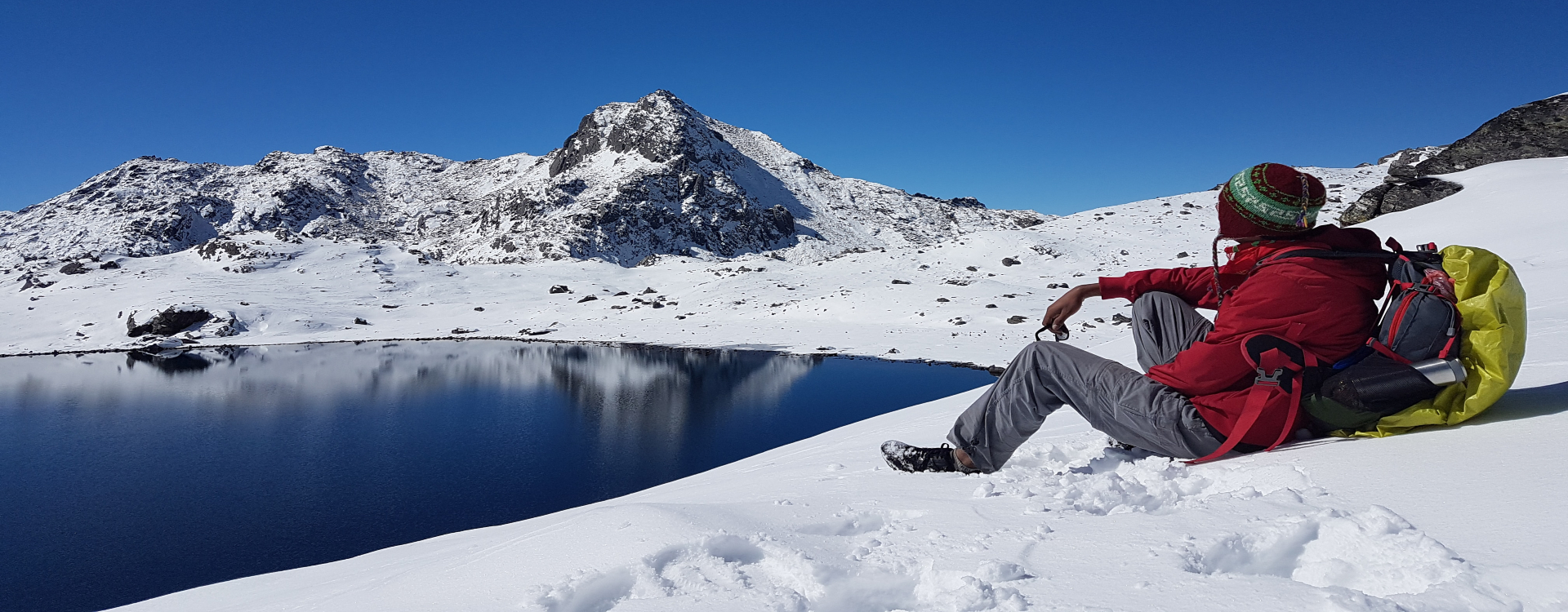
Overall, Langtang and Gosainkund offer big views for modest effort. They are among Nepal’s most economical treks (cheap bus to trailhead, inexpensive permits, budget lodges). For a discerning UK adventurer seeking Himalayan drama with cultural flavor, this region is a top recommendation
Manaslu Circuit Trek: Hidden Teahouse Trek in the West
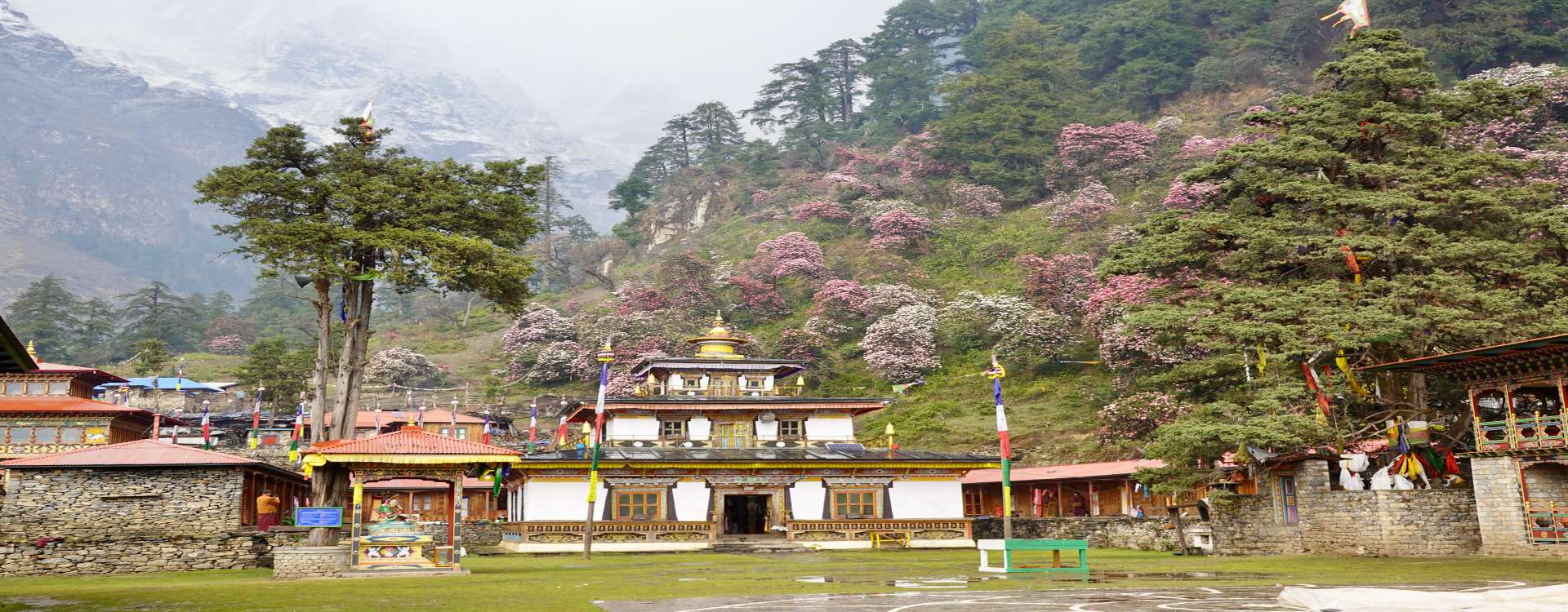
Far from any road, the Manaslu Circuit is often described as “Nepal’s single best teahouse trek”. It encircles Manaslu (8,163m, the world’s 8th highest peak), but remains largely unknown to casual tourists. The trail follows the Budhi Gandaki River valley, past terraced farms and Gurung villages, into ever-higher alpine terrain. Highlights include rainbow waterfalls, Himalayan glacial lakes, and the Pungyen Glacier viewpoint near Samagaon. The grand finale is crossing the Larkya La pass (5,200m) – a once-in-a-lifetime moment as 8,000m giants loom all around and you descend past narrow gorges back toward Annapurna.
Manaslu’s appeal lies in its combination of wild scenery with surprisingly good services. Teahouses (simple lodges) line most of the route, offering beds and warm meals every few hours – a real luxury on a remote trek. UK hikers say it “has it all”: mountain amphitheaters, prayer-flagged passes, friendly villages with yak cheese, and even hot springs near Tatopani (from where many trekkers detour for a soak). Importantly, permits and a guide are required (since Manaslu is a restricted conservation area). Permit costs (about US$100 for the first 7 days plus local fees) can add to your budget, and flights into the trailhead (Bhairawa or Kathmandu by road) must be arranged. But for adventurous Brits who want a true Himalayan odyssey, Manaslu rewards every step – without the Everest crowds.
Gokyo Lakes & Renjo La: Everest’s Less-Trodden Gem
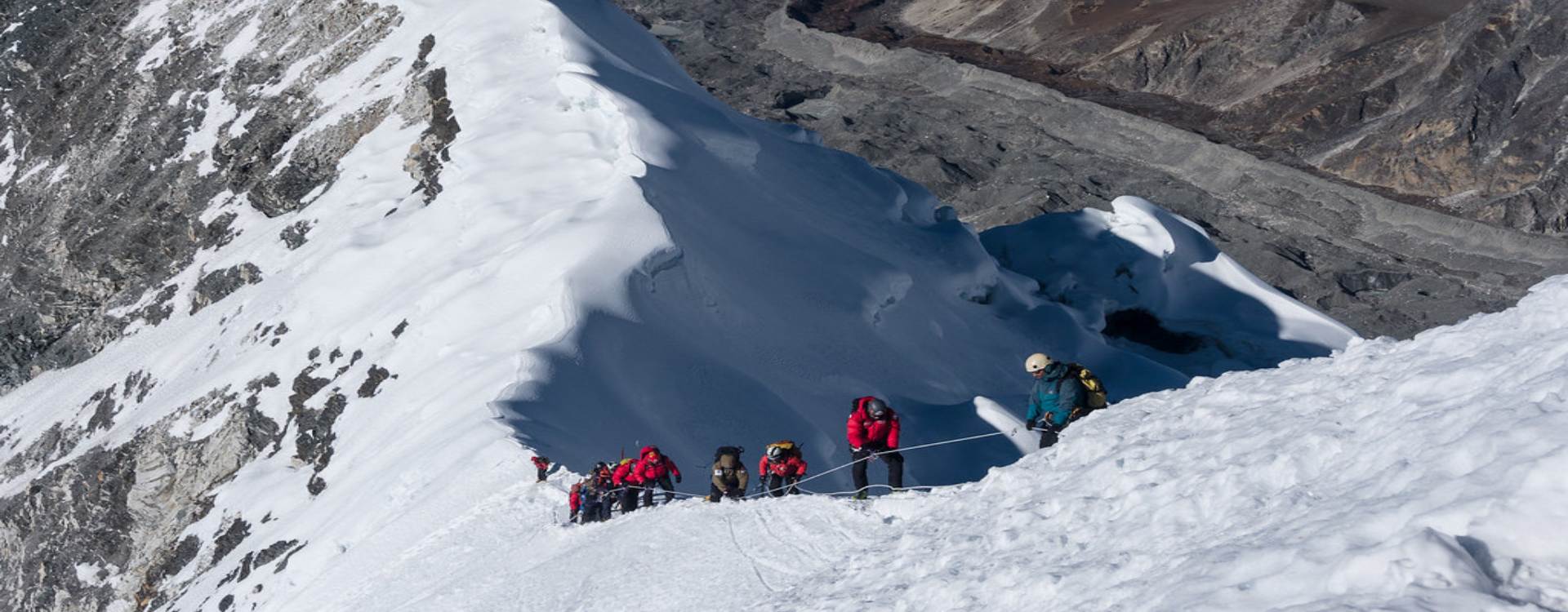
Even within the Everest region, there is an alternative to EBC. The Gokyo Lakes Trek detours west to a pristine glacial valley. It follows the Dudh Kosi river through Sherpa villages to Gokyo (4,800m), a cluster of turquoise lakes. From Gokyo, adventurers can climb Gokyo Ri (5,357m) – a spectacular vantage point from which Mount Everest and dozens of 8,000m giants are visible. This route is shorter (about 11 days round-trip) and much quieter than the main EBC trail. As one guide notes, it is “often chosen over the more commercial Everest trek to enjoy less crowded trails”. The Gokyo Lakes trek has been called the “Hidden Treasure alternative trek to Everest base camp”.
Because it shares the Sagarmatha NP area, permits (Sagarmatha NP and Pasang Lhamu Rural Municipality.) and a guide are required. However, unlike Everest Base Camp, you do not need special climbing permits – just the standard park permit. Lodges are rustic but adequate. UK trekkers who have done both routes say Gokyo offers the same Everest sunrise on the horizon, but with far more serenity. Photo-worthy highlights include the emerald Thonak Lake and the Ngozumpa Glacier (the Himalaya’s largest). Note that Gokyo often requires an extra acclimatisation day or two (many people rest an extra night at Gokyo to adjust for Gokyo Ri). The alternative ending – crossing Renjo La pass (5,360m) to rejoin the EBC trail – adds a high mountain loop. In short, Gokyo delivers Everest-scale beauty (see Ama Dablam, Lhotse, Everest) without the Everest Base Camp crowds or Lukla hassles.
Upper Mustang: The “Last Forbidden Kingdom”

Mustang was off-limits to foreigners until the 1990s. Today, Upper Mustang is Nepal’s most exotic trek. Sitting on the Tibetan Plateau’s fringe, Mustang feels more like Tibet than typical Nepal. Trekkers pass through the arid, Mars-like landscape of the Kali Gandaki Gorge and Jomsom Valley into the walled capital of Lo Manthang. Lo Manthang is a red mud town filled with ancient Buddhist monasteries and elaborate Tibetan wall paintings; its fields and caves (some decorated with murals) hark back to pre-modern Himalayan culture.
The trail’s visual contrasts are remarkable: one day you may walk among green apple orchards, the next in a treeless high-desert with ice-blue skies. Views of the Nilgiri range and Annapurna are routinely replaced by yellow cliffs and dunes under Mustang’s pale sun. Because Mustang was closed for so long, its villages have preserved old customs and rituals. In May during the Tiji festival, dancers in masked costumes re-enact the triumph of wisdom over ignorance – an event worth planning your trip around. (Booking: Upper Mustang requires a special permit and guide, with a minimum two-person group, and costs around US$500 for 10 days.
The trek to Upper Mustang is moderate (altitudes stay below 4,000m in the trekking trail) but remote. Lodges appear at Tukuche, Chusang and Ghiling, though fewer as you go higher. Many UK trekkers consider Mustang a pilgrimage rather than a mountaineering trek. It ranks as a cultural odyssey higher than a physical one. If you yearn for mystical monasteries, Tibetan monks, and desert plateaus, Mustang may be Nepal’s most “epic alternative” of all.
Dolpo (Lower Dolpo & Tarap Valley): Tibet on Foot

The Dolpo region (west Nepal, bordering Tibet) is legendary among trekkers. The Lower Dolpo Tarap Valley Trek (often called “Tarap Valley Loop”) stays in the accessible Tarap area of Dolpo, avoiding the highest passes of upper Dolpo. It begins in the rugged village of Dharapani (or Juphal airstrip) and enters a timeless Tibetan-style landscape. The Tarap valley opens up to ancient walled villages (e.g. Suligad, Dho) with centuries-old mud-brick houses, prayer wheels, and chortens.
This trek is a real hidden gem: remote, fabled, and little-visited. Trekkers cross a couple of high passes (Numa La, 5,360m, and Baga La, 5,020m), which deliver panoramic views of the Himalaya and lead into the sacred shores of Phoksundo Lake. Phoksundo (3,611m) is often called Nepal’s most beautiful lake – turquoise waters set against snow peaks and pine forest. The walk around its perimeter and to nearby Chang Gompa (a cliff-hanging monastery) is unforgettable. Tarap Valley is also a stronghold of Tibetan Buddhism in Nepal: you’ll pass dozens of mani walls and prayer flags and may see nomadic yak herders.
Dolpo requires a Restricted Area Permit and guide (the full Upper Dolpo trek needs even more planning and a $500 permit). Because it’s so remote, this is a camping trek: expect a guide and porter(s) carrying tents and supplies. The reward is pure isolation – after Tarap, you reach a roadhead at Dunai or further west, and the contrast with busy villages is stark. UK travellers who trek Tarap often describe it as the journey “into George Schaller’s wild,” referencing The Snow Leopard – and indeed, Dolpo still feels like the Himalaya of old, long before global tourism.
Kangchenjunga Circuit: Into Nepal’s Far East
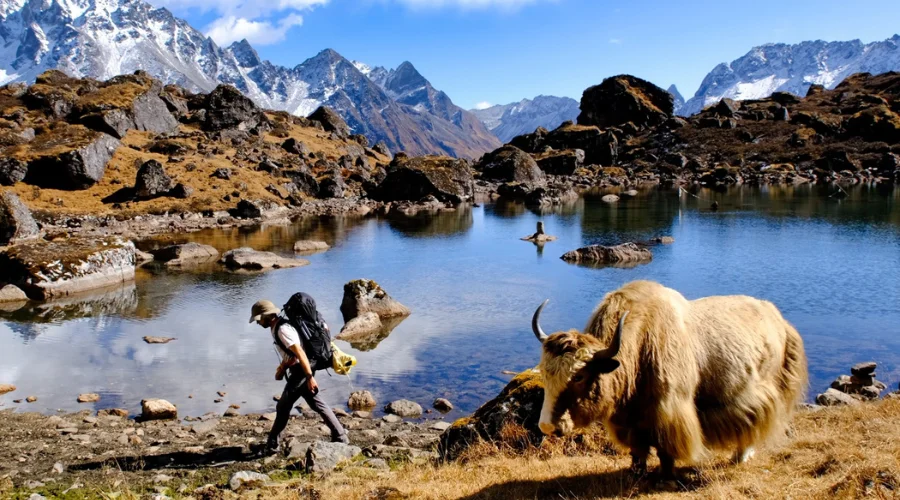
For truly adventurous UK trekkers, the Kangchenjunga trek is up next – it means “The Five Treasures of Snow” in Tibetan. This is Nepal’s most remote and longest major trek (often 15–20+ days) and well off the beaten path. Kangchenjunga (8,586m) is the world’s third-highest peak, and the trek circles its massive flanks through far-eastern Nepal (Taplejung District). The standard route combines north and south base camp approaches via the Mirgin La pass.
The rewards are immense: in spring, rhododendron forests bloom below and snow-capped summits loom above. Trekkers pass through remote Limbu and Tibetan villages (with mani walls and prayer flags at every bend), grazing pastures with yaks, and shimmering alpine lakes. On clear days Kangchenjunga’s five mighty summits dominate the skyline. The trailheads (e.g. from Darjeeling/India side or flights to Bhadrapur) themselves are an adventure – a long jeep ride from the nearest airport (Bhadrapur or Kathmandu) to start the trail. Accommodation is basic (teahouses here are simpler than in Annapurna or Everest regions), so take sturdy gear. But for the UK mountaineer in us all, standing in Kangchenjunga’s shadow is a memory of a lifetime. As Bradley Mayhew notes, reaching Kangchenjunga “takes time, but the rewards are immense”(outsideonline.com). It’s “achingly beautiful,” demanding, and thoroughly off-grid.
Makalu Base Camp: Fifth-Highest, Less-Traveled

Makalu (8,485m) is the world’s fifth-highest mountain, yet most trekkers have never heard of it. The Makalu Base Camp Trek (13–15 days) ventures into the Arun River valley to its headwaters. It crosses the high Shipton La (4,400m) into the Barun Khola valley and ascends among giant rhododendrons into a hanging valley of snowfields. The approach is rugged – in fact, many combine it with lower trek sections as an expedition-style journey.
Makalu’s allure is its remoteness: “the only downside is you have to return the way you came,” admits one guide (outsideonline.com). Simple lodges reappear only seasonally, so trekkers often bring tents as backup. However, in high season there are rest camps at Painya (pyramid base camp at 4,800m) and Concordia (camp at 4,600m). The views are extraordinary: from the Baruntse and Makalu base camps you look up to Makalu’s sheer pyramid, while across the valley you see Lhotse and the Kangshung face of Everest. This is the heart of the high Himalaya trekking – raw, high, and dominated by big peaks.
Foreign trekkers in this conservation area need Makalu Barun National Park permits (about $22/week). Access requires a flight to Tumlingtar (or long road) and then a hike. Fitness and acclimatization are important here (altitudes around 5,000m). For a UK adventurer, Makalu Base Camp is the ultimate “off the beaten path” challenge: Himalayan grandeur without the crowds, trekking through alpine meadows and glaciers in solitude.
Beyond the Trails: Sustainable and Authentic Adventure

Whichever trek you choose, remember that responsible travel is key. Nepal’s trails and villages are fragile and culturally rich. Trekking with a local guide not only complies with 2023 regulations (ntb.gov.np), it also ensures your spending benefits Nepali communities. UK travel trends emphasize eco-friendly and community-focused trekking (highplaces.co.uk). Trekking with a small group, carrying out litter, and supporting homestays are simple ways to give back.
Permit fees (like ACAP or Sagarmatha NP fees) and local taxes directly fund conservation. As one UK guidebook author notes, trekking in Nepal is increasingly managed to protect both nature and heritage (highplaces.co.uk). On the trail, pick up your own rubbish, reuse plastic bottles (MIVida filters let you refill stream water), and follow local practices (e.g. only timber-free cooking fuel). Interacting respectfully with villagers – learning a few Nepali or Tibetan phrases, visiting monasteries quietly – enriches the experience for everyone.
In practical terms, always carry photocopies or digital scans of permits and your passport (some police checkpoints may ask). For health, bring altitude sickness medication if prone. UK doctors often advise vaccinations for hepatitis and typhoid. At high camps, drink plenty of water (boiled or treated) and pace your ascent. And don’t underestimate the sun – high-UV conditions mean strong sunscreen and sunglasses are musts.
Conclusion: Your Next Nepal Trip Awaits
Nepal’s alternative treks deliver the same Himalayan majesty as Everest – plus local charm, fewer people, and often a safer trek itinerary. For British adventurers planning a 2025–26 Nepal trip, the opportunities are vast. The passport trails of Everest and Annapurna are there if you want them, but consider venturing to Langtang, Manaslu, Mustang, Dolpo, Kanchenjunga or Makalu. These routes will test your stamina and open your mind – whether you’re crossing high passes by yaks or sipping tea in a mountain monastery.
Booking through a Kathmandu-based agency like Accessible Adventure ensures you meet all requirements (visa help, guide, permits) and can customize the trip to your tastes. Our team specializes in tailor-made trips to Nepal and can handle logistics from Kathmandu to the trailhead. Many UK trekkers choose full-service packages in Nepal, which include domestic flights (to Lukla, Jomsom, or Simikot), meals, and porters – making for a worry-free journey. If going independently, just remember the rules: hire a guide, carry travel insurance, and plan for the mountain environment.
In 2025–26, Nepal is ready to welcome British hikers back with open arms – festivals like Tihar and Lhosar brighten the valley celebrations, and January even saw the Nepali passport ranked one of the world’s strongest. As one trekker noted, “One trip to Nepal just isn’t enough,” and with this wide variety of treks, you might never want to leave. Start planning now, pack your boots, and discover more than Everest – an epic Himalayan adventure that’s all your own.