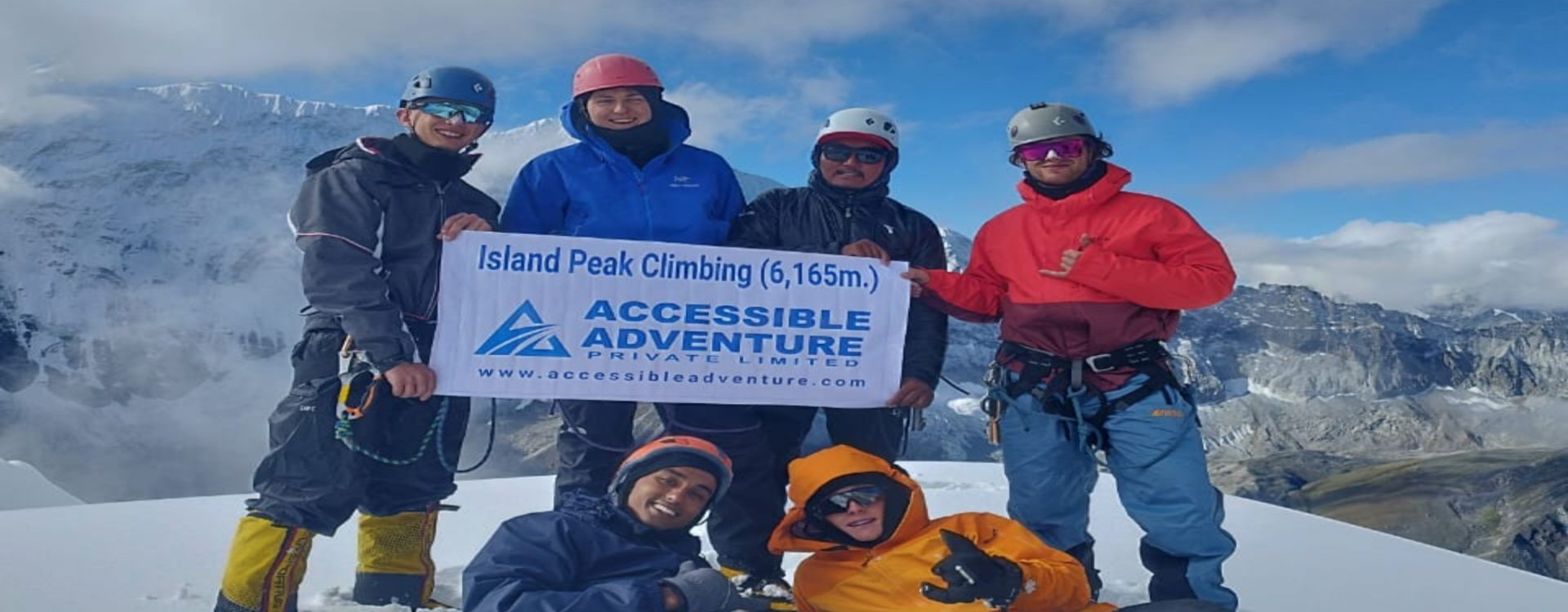
Best Time for Island Peak Climbing: Seasons, Weather, and Success Tips
Island Peak, standing at 6,189 meters in Nepal's Khumbu region, attracts climbers seeking an achievable yet rewarding Himalayan summit. Known locally as Imja Tse, this peak combines trekking through Sherpa villages with technical glacier travel and a steep headwall ascent. Timing plays a critical role in safety, visibility, and overall enjoyment. Weather patterns shift dramatically across seasons, influencing everything from trail conditions to avalanche risks. Choosing the right period maximizes summit chances while minimizing hazards. This guide breaks down each season's conditions, drawing from recent climber reports and expert analyses to help international beginners plan effectively.
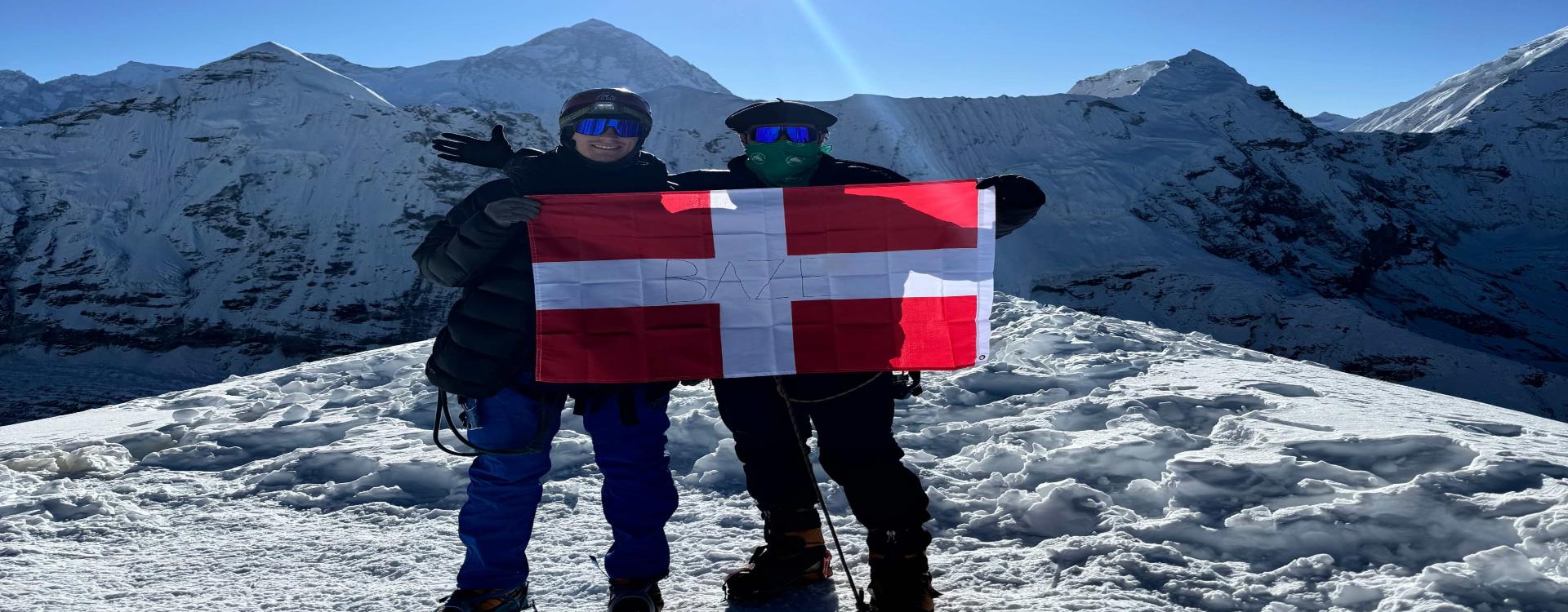
Spring Season: March to May – The Prime Window for Most Climbers
Spring emerges as one of the top choices for Island Peak climbing. Warming temperatures follow winter's grip, creating stable snow conditions on the glacier and headwall. Daytime highs at lower elevations reach 10°C to 15°C, dropping to -5°C to -10°C at night around base camp. Higher up, expect colder snaps, but overall manageability draws crowds.
March starts cooler with occasional snow, ideal for those preferring fewer people. Trails remain firm, and rhododendrons bloom vividly along the approach from Lukla. April brings optimal stability: clearer skies, minimal precipitation, and warming trends that ease glacier crossings. Many consider April the sweet spot, with fixed ropes in good shape and crevasse bridges solid.
May extends the window but introduces slight pre-monsoon humidity. Views stay sharp, though afternoon clouds can build. Success rates often exceed 85% in well-guided groups during peak spring months, thanks to reliable weather and strong acclimatization opportunities via the Everest Base Camp trail.
Pros include vibrant landscapes, cultural energy from Sherpa communities, and synergy with Everest expeditions for added inspiration. Drawbacks involve higher crowds on shared paths and potential bottlenecks on summit day ropes.
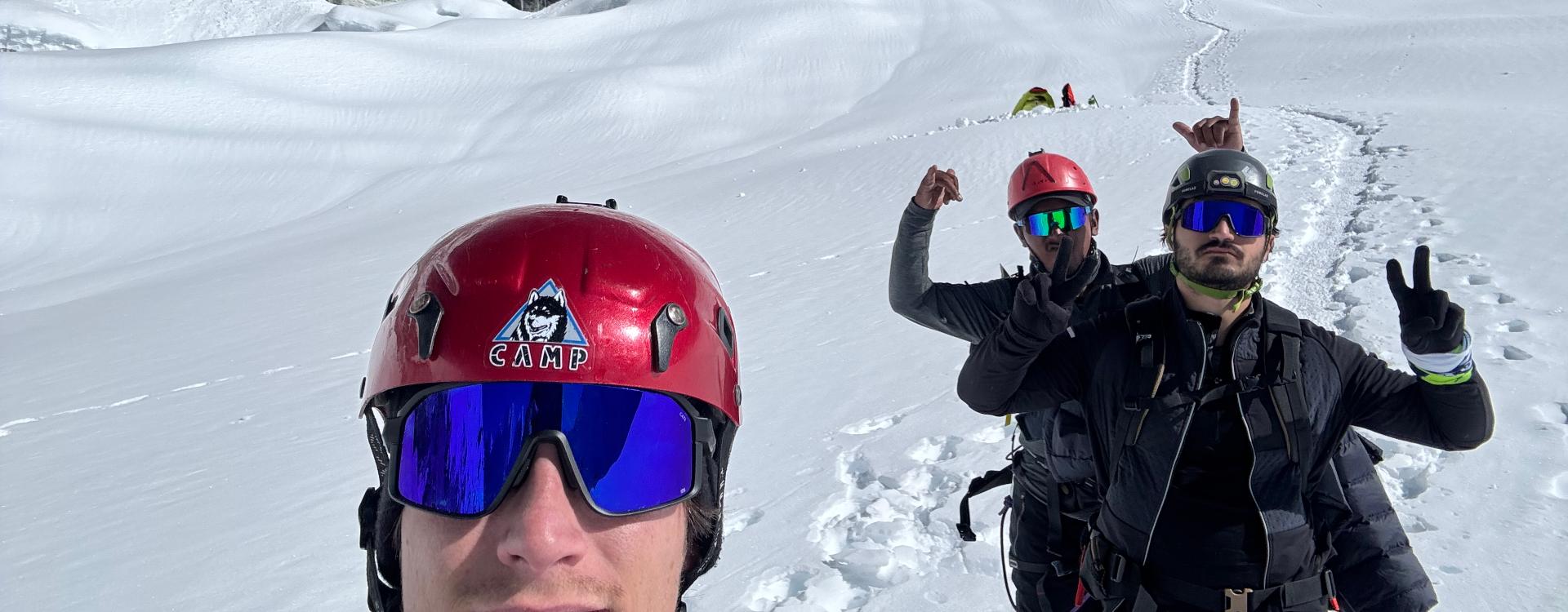
Autumn Season: September to November – Crystal Clarity and Cultural Depth
Autumn rivals spring in popularity, often edging ahead for visibility. Post-monsoon rains wash the air clean, delivering unobstructed panoramas of Everest, Lhotse, Makalu, and Ama Dablam. Temperatures cool progressively: September offers mild days around 10°C to 15°C at trekking levels, with nights dipping below freezing higher up.
October shines brightest, with crisp air, dry trails, and minimal wind disturbances. Snow consolidates firmly, reducing avalanche risks compared to spring's heavier loads. November cools further, with possible light snow, but skies remain exceptionally clear. Festivals like Dashain and Tihar add cultural richness along the route, including Mani Rimdu performances in nearby monasteries.
Success rates match or surpass spring, hovering around 80% to 90% for prepared teams. Lower precipitation means safer crevasse navigation and fewer flight delays into Lukla. Autumn suits those prioritizing photography and solitude later in the season.
Challenges include colder nights toward November and occasional early winter winds. Crowds thin compared to spring, offering a more peaceful experience.
Off-Season Options: Winter and Monsoon Challenges
Winter (December to February) appeals to experienced climbers seeking solitude and crystalline views. Clear skies dominate, but extreme cold dominates risks. Temperatures plummet below -20°C at high camp, with deep snow complicating glacier travel and increasing avalanche potential. Heavy accumulation demands advanced skills for headwall navigation.
Success rates drop sharply due to frostbite threats and closed teahouses forcing full camping. Only seasoned mountaineers attempt winter ascents.
Monsoon (June to August) ranks as the least favorable. Heavy rainfall below 4,000 meters creates muddy, landslide-prone trails. Above, wet snow heightens avalanche dangers and obscures visibility. Flight cancellations to Lukla disrupt schedules frequently. Risks far outweigh rewards for beginners.
Key Factors Influencing Your Choice
- Weather stability tops the list. Spring and autumn provide dry, predictable patterns essential for safe rope work and crevasse crossings. Visibility enhances not just views but hazard spotting.
- Crowd levels vary: spring busier with Everest traffic, autumn quieter post-festivals. Personal tolerance for cold guides decisions—autumn cools faster than spring's warming trend.
- Acclimatization benefits from both prime seasons' gradual approaches. Pairing with Everest Base Camp extends trips but boosts adaptation.
- Permit availability fills quickly in peak months; book early. Costs align across seasons, though off-peak may offer slight discounts.
Practical Success Tips for Any Season
- Train rigorously for 4 to 6 months: build cardio with weighted hikes, strengthen core for balance on ropes. Practice crampon and ice axe techniques if possible.
- Acclimatize properly: follow itineraries with rest days in Namche and Dingboche. Hydrate aggressively and monitor for altitude symptoms.
- Gear essentials include layered clothing, four-season boots, crampons, harness, and helmet. Rent quality items in Kathmandu to test fit.
- Choose experienced guides: reputable operators maintain high success through fixed ropes, weather monitoring, and contingency plans.
- Monitor forecasts closely via apps or agency updates. Flexibility for weather days proves vital.
- Mental preparation counts: visualize summit day challenges to push through fatigue.
Why Choose Accessible Adventure for Your Timing
Operating from Kathmandu since establishing strong local ties, Accessible Adventure tailors Island Peak expeditions to seasonal strengths. Their teams track conditions year-round, recommending optimal slots based on group fitness and goals. Spring packages emphasize blooming trails and skills clinics; autumn highlights festivals and clarity.
Client feedback praises adaptive scheduling, safety focus, and supportive Sherpas. Packages start affordably, including permits, domestic flights, and comprehensive support. With consistent high satisfaction, they turn seasonal advantages into memorable summits.

Final Thoughts: Align Your Adventure with the Mountains
Spring and autumn stand out as the best times for Island Peak climbing, offering balanced conditions that favor first-timers. April and October frequently deliver the finest combinations of stability and splendor. Weigh your preferences for warmth, crowds, or cultural elements to select between them.
Off-seasons demand expertise few beginners possess. Prioritize safety and preparation regardless of date. With the right timing and guidance, Island Peak becomes a transformative milestone overlooking Everest's realm. Reach out to experts like Accessible Adventure in Kathmandu to secure your ideal window. Spots in prime months vanish quickly.