How Difficult is Island Peak Climbing? An Honest Review for First-Timers
Standing at 6,189 meters in the heart of the Everest region, Island Peak draws adventurers from around the world. Known locally as Imja Tse, this mountain offers stunning views of Everest, Lhotse, and Ama Dablam while serving as an accessible introduction to Himalayan mountaineering. Many first-time climbers choose Island Peak as their entry into peaks above 6,000 meters. But questions arise about its true difficulty. Is it suitable for beginners, or does it demand more than basic trekking fitness? This review explores the realities based on climber experiences and expert insights to help you decide if Island Peak fits your goals.
What Makes Island Peak Challenging?
Island Peak earns a moderate difficulty rating in alpine terms, often graded PD (Peu Difficile) or 2B. Sources describe it as moderately difficult, blending long trekking days with technical sections. The journey starts with a flight to Lukla, followed by the classic Everest Base Camp trail through villages like Namche Bazaar and Dingboche. This approach aids acclimatization but involves 6 to 8 hours of daily hiking with elevation gains.
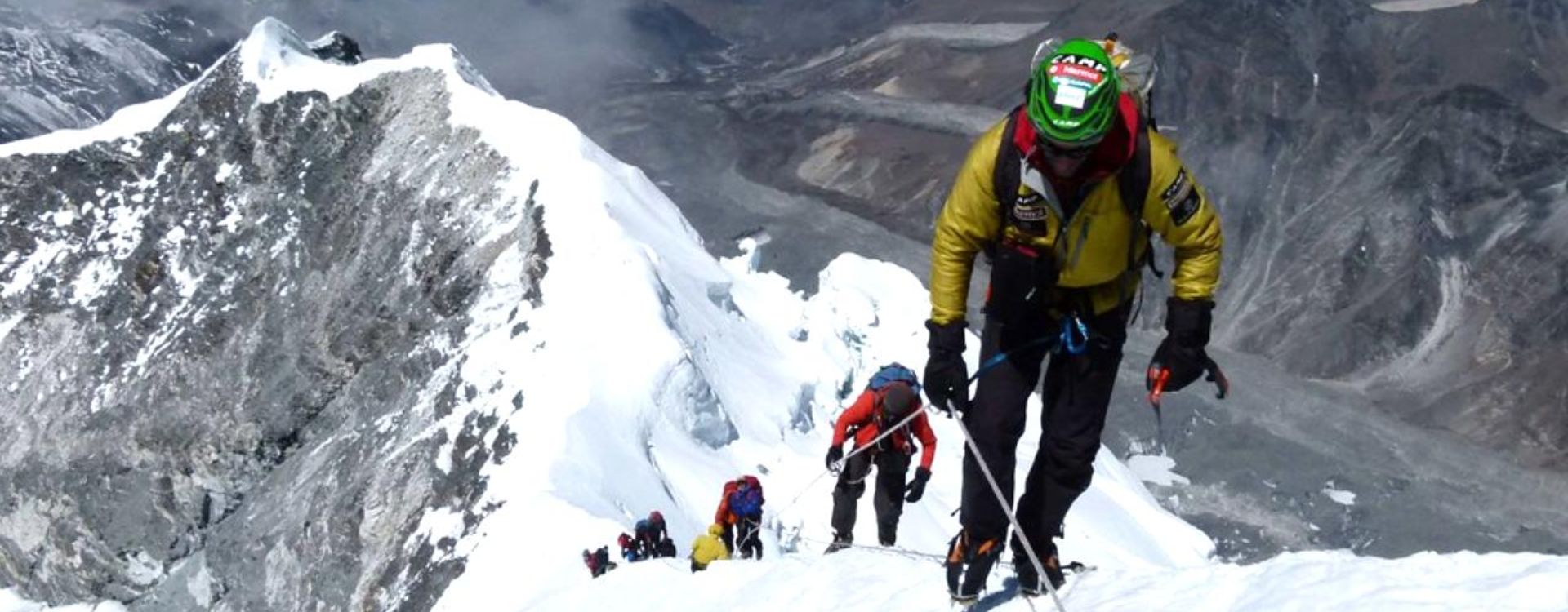
The true test begins at base camp around 5,100 meters. Climbers often move to high camp at 5,500 meters for a shorter summit day. From there, the route crosses a glacier with potential crevasses, requiring crampons and ropes. The infamous headwall rises steeply at 45 to 70 degrees, where fixed ropes assist the ascent using jumars. Summit day lasts 10 to 14 hours round-trip, starting before midnight in freezing temperatures.
Altitude poses the primary risk for beginners. Even with proper acclimatization, acute mountain sickness affects many. Other challenges include cold nights below -20°C, exposure on the ridge, and variable snow conditions that can increase crevasse dangers or rockfall.
Real Climber Experiences: The Good and the Tough
Recent reviews from 2024 and 2025 highlight varied experiences. Many first-timers succeed with strong fitness and guided support. One climber noted the thrill of close Everest views and the satisfaction of using ropes and crampons for the first time. Success rates reach 80 to 90 percent for well-prepared groups, thanks to structured itineraries and Sherpa expertise.
However, others call it underestimated. Some report intense fatigue on summit day, with the headwall feeling steeper than expected. Crowds on fixed ropes can slow progress and add stress. A few mention turning back due to weather or altitude issues. Beginners without prior glacier experience often find the technical training at base camp crucial yet rushed.
Compared to Mera Peak, Island Peak involves more technique, while Lobuche East can feel similar or slightly harder in sections. Many view Island Peak as ideal preparation for bigger objectives.
Pros of Choosing Island Peak as Your First Climb
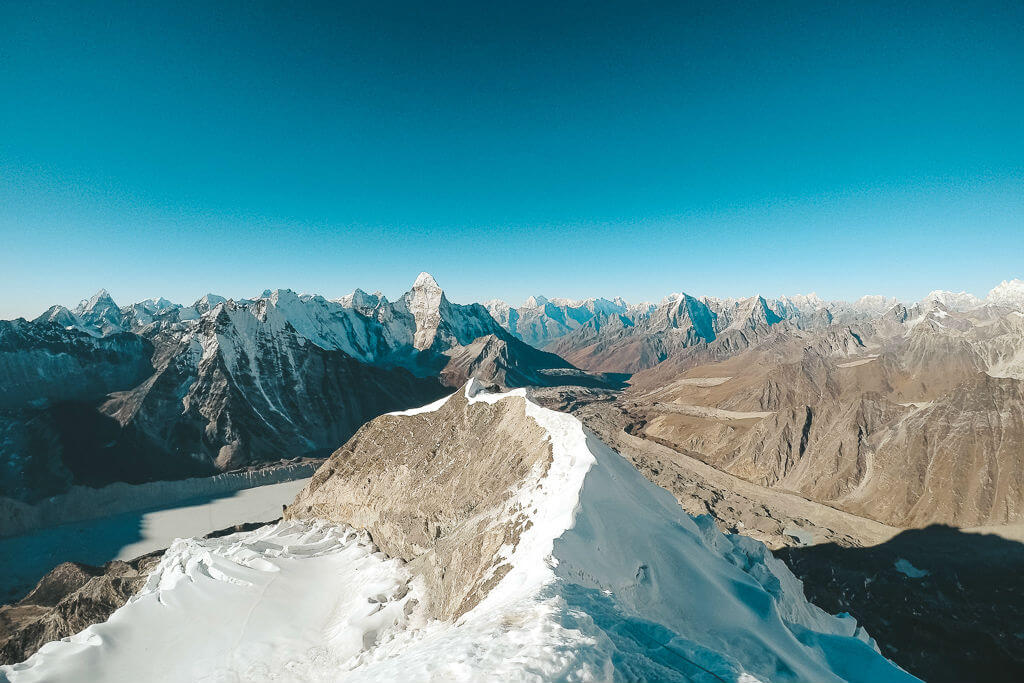
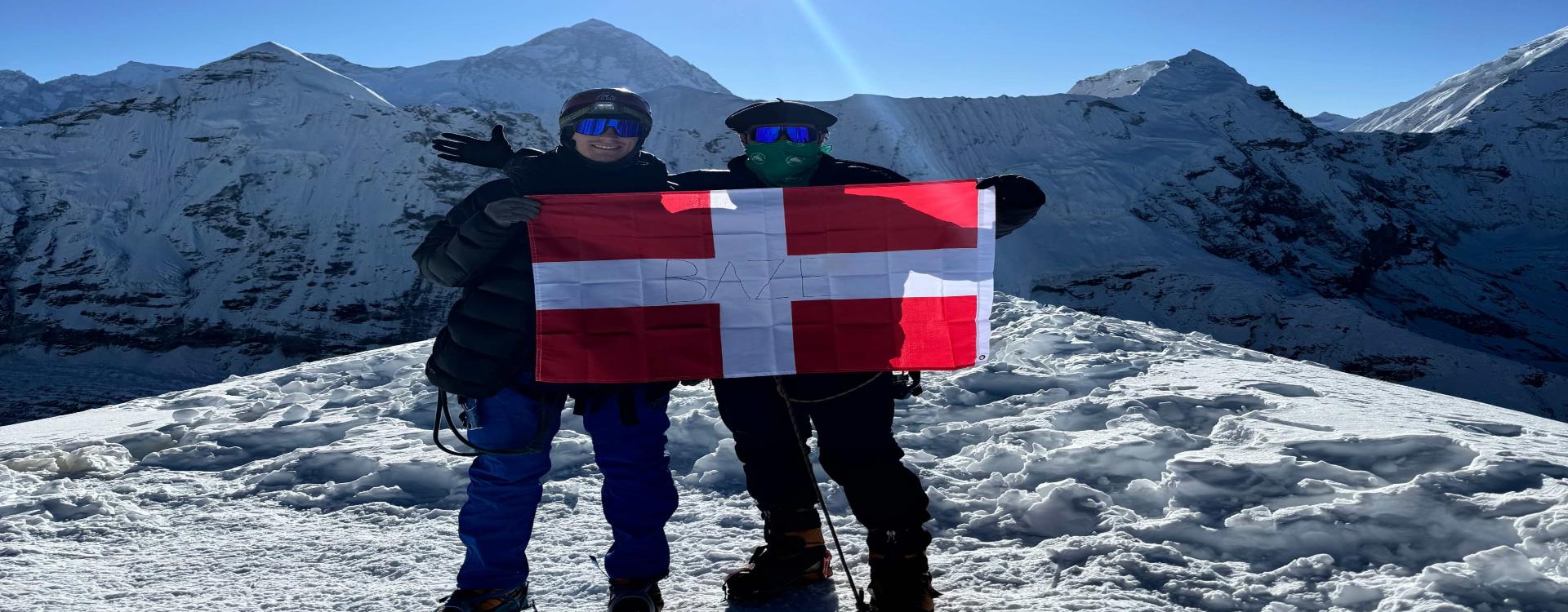
The rewards stand out strongly. Summit views deliver 360-degree panoramas of the Khumbu icefall and surrounding 8,000-meter peaks. The route integrates cultural immersion in Sherpa villages and teahouse comfort during the trek-in.
It builds essential skills like rope work and ice axe use, preparing for advanced climbs. Pairing it with Everest Base Camp creates a comprehensive adventure. For fit trekkers, it offers achievable challenge with high success potential under professional guidance.
Cons and Potential Drawbacks for Novices
Technical elements can overwhelm complete beginners. Jumar use on steep ice requires confidence, and exposure on the ridge tests those afraid of heights. Summit day demands mental toughness amid exhaustion and cold.
Altitude risks remain real, with occasional severe cases needing evacuation. Crowds in peak seasons create bottlenecks on ropes. Costs run $2,000 to $3,000, and the 16 to 20-day commitment suits not everyone.
Weather variability can force turnarounds, even for prepared groups.
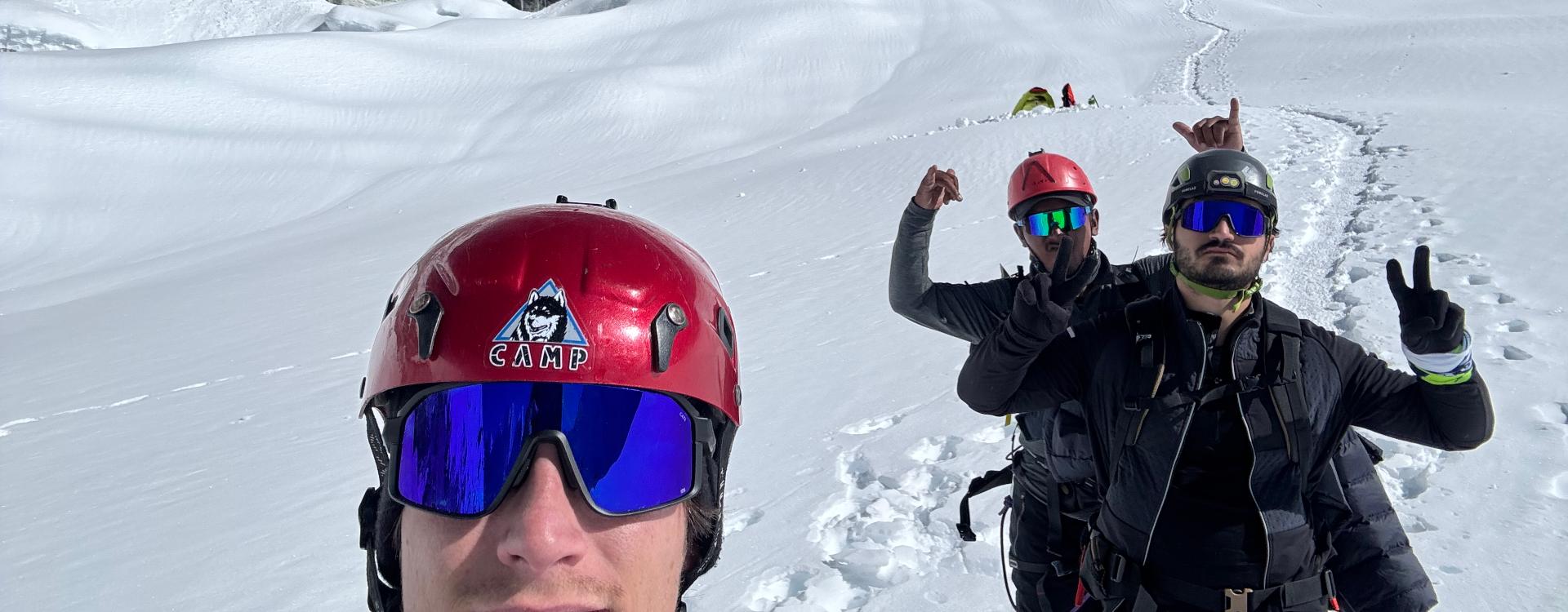
Preparation Tips to Boost Your Chances
Success demands dedicated training. Build cardiovascular endurance with runs, cycles, and stair climbs carrying a pack. Include strength work for legs and core, plus balance exercises.
Practice with gear if possible, though most agencies provide base camp training. Focus on acclimatization by following "climb high, sleep low" principles.
Mental preparation matters equally. Visualize tough sections and commit to hydration and pacing.
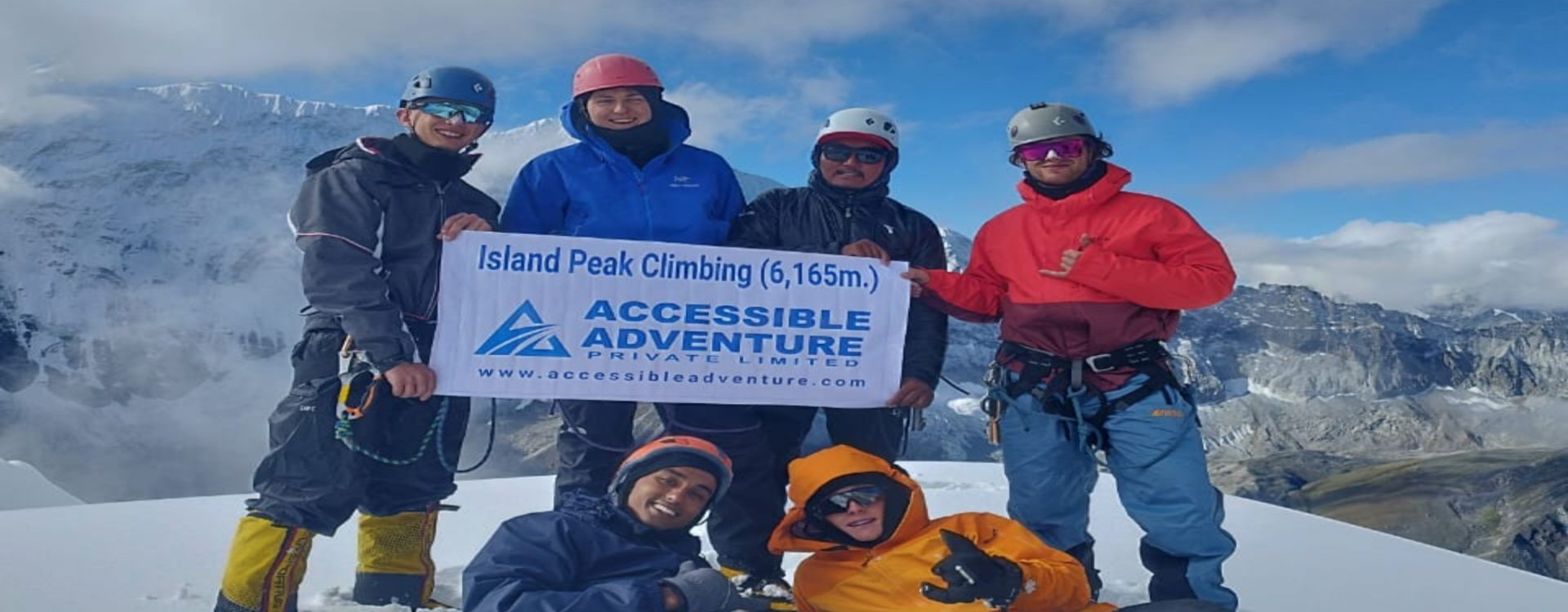
Why Accessible Adventure Excels for First-Timers
Kathmandu-based Accessible Adventure specializes in beginner-friendly expeditions. Their itineraries emphasize gradual acclimatization, with extra rest days and skills sessions. Guides offer patient instruction on ropes and crampons, prioritizing safety.
Recent clients praise the supportive team, seamless logistics, and high success rates. Packages include gear rentals, permits, and cultural insights, starting around $2,200. Reviews highlight attentive Sherpas who adapt to individual paces.

Is Island Peak Right for You?
Island Peak suits determined first-timers with solid trekking fitness and openness to technical basics. It delivers immense rewards in views, skills, and achievement. If you prefer less rope work, consider Mera Peak first.
For many, Island Peak marks a transformative milestone. With proper prep and reliable guidance, it becomes attainable and unforgettable. Contact Accessible Adventure in Kathmandu to plan your ascent and turn ambition into reality.